Categories
Uncategorized

Jackpot Globali: Come il Mobile Gaming Sta Rivoluzionando l’Espansione dell’iGaming nel Periodo Natalizio

Il 2024 rappresenta un punto di svolta per l’iGaming. Dopo due anni di crescita sostenuta, il fatturato globale supera i 120 miliardi di dollari, mentre le autorità di regolamentazione affinano le licenze per garantire trasparenza e protezione del giocatore. La concorrenza è più accesa che mai: operatori tradizionali, start‑up tech‑first e piattaforme di scommessa sportiva cercano di conquistare quote di mercato in un panorama sempre più frammentato.

In questo contesto, la necessità di formarsi su strumenti finanziari emergenti è cruciale. Per approfondire le opportunità legate alle criptovalute, i lettori possono consultare il sito usdt trc20 casino, una risorsa educativa che spiega come utilizzare USDT‑TRC20 in modo sicuro nei giochi d’azzardo online.

Il problema principale che le piattaforme tradizionali incontrano durante le festività natalizie è la difficoltà di penetrare mercati internazionali con offerte standardizzate. Le campagne stagionali spesso falliscono perché non tengono conto delle diversità culturali, dei metodi di pagamento locali e delle preferenze di gioco mobile‑only.

La soluzione che esploreremo in questo articolo è l’integrazione di jackpot mobile‑first e campagne natalizie personalizzate, capace di trasformare il periodo festivo in un acceleratore di crescita globale.

1. Il mercato iGaming nel 2024: dati, trend e sfide globali – ≈ 260 parole

Regione Fatturato 2024 (mld USD) % Giocatori mobile‑only
Europa 45 58 %
Asia‑Pacifica 38 71 %
America Latina 22 63 %
Nord‑America 30 49 %

Le statistiche mostrano una crescita più rapida in Asia‑Pacifica, dove la penetrazione 4G/5G consente esperienze di gioco fluide. Tuttavia, le barriere normative variano: l’Unione Europea richiede licenze MCC, l’Asia presenta regole anti‑gioco d’azzardo più restrittive, mentre l’America Latina lotta con tassazioni imprevedibili.

Culturalmente, i giocatori latinoamericani preferiscono premi tangibili (viaggi, gadget), mentre i consumatori asiatici sono più attratti da token digitali e criptovalute. La mancanza di un approccio locale rallenta l’espansione di operatori che puntano solo a traduzioni superficiali.

Il mobile ha ormai superato il 60 % del totale delle sessioni di gioco, grazie a interfacce ottimizzate, tempi di caricamento inferiori a due secondi e integrazioni di wallet digitali. Questo trend rende indispensabile una strategia mobile‑first per chi vuole competere a livello globale.

2. Perché i jackpot sono il “catalizzatore” dell’espansione internazionale – ≈ 280 parole

Il jackpot agisce come leva psicologica: la promessa di un “dream‑big” premio genera un picco di curiosità e condivisione sui social. La viralità è misurabile; campagne con jackpot da 100 000 USD hanno registrato un aumento medio del 35 % di nuovi utenti rispetto a bonus fissi.

Un caso studio emblematico è quello di MegaSpin Global, che ha lanciato un jackpot multi‑valuta da 250 000 USD, suddiviso in euro, dollari e USDT‑TRC20. Grazie a un’interfaccia mobile‑first, il gioco ha penetrato i mercati indonesiano e messicano in soli tre mesi, superando le barriere di trust grazie alla trasparenza dei premi in criptovaluta.

I jackpot riducono le resistenze locali perché trasformano il rischio percepito in una possibilità di vincita reale e immediata. Quando un giocatore vede che il payout avviene in una valuta familiare o in criptovaluta, l’ansia legata al “wagering” diminuisce, favorendo l’adozione del prodotto.

In sintesi, i jackpot fungono da “magnete” di attenzione, facilitano la localizzazione dei premi e, soprattutto, creano un punto di contatto comune tra culture diverse, rendendo più semplice l’ingresso di un operatore in nuovi territori.

3. Mobile‑first design: dalle slot tradizionali alle esperienze “pocket‑jackpot” – ≈ 250 parole

Un design mobile‑first parte da tre principi chiave: velocità, ergonomia tattile e adattabilità. I tempi di caricamento devono rimanere sotto i 2 secondi; per farlo, gli sviluppatori usano HTML5 con compressione WebGL e librerie lightweight. Le interfacce tattili devono consentire swipe fluido, pulsanti grandi e feedback haptico per aumentare l’engagement.

Le tecnologie native, come i SDK di Unity per Android e iOS, permettono di integrare jackpot con animazioni 3D senza sacrificare la batteria. Un esempio concreto è la slot “Winter Fortune” di PlayTech, che sfrutta un SDK native per offrire un “pocket‑jackpot” di 5 000 USD, con un RTP del 96,2 % e volatilità alta, tutto ottimizzato per schermi da 5,5 pollici.

L’impatto sulla retention è evidente: i giocatori che accedono a jackpot mobile hanno una sessione media di 14 minuti, rispetto ai 9 minuti dei giochi tradizionali. L’ARPU sale del 22 % perché i micro‑depositi sono facilitati da wallet integrati, inclusi pagamenti in criptovalute.

4. Strategia natalizia: trasformare il periodo festivo in un motore di acquisizione – ≈ 300 parole

Durante le festività, i giocatori spendono in media il 18 % in più rispetto a periodi non stagionali e aumentano il tempo di gioco del 27 %. Le piattaforme che sfruttano questi dati con campagne mirate ottengono risultati superiori.

Esempi di campagne “Christmas Jackpot”:

  • Starburst Xmas (NetEnt) – tema renna, jackpot progressivo di 10 000 USD, countdown di 7 giorni.
  • Holiday Loot (Microgaming) – premi in viaggi e gadget, bonus casinò del 150 % fino a 500 USD.
  • Crypto Noel (Betsoft) – jackpot in USDT‑TRC20, con bonus di 0,5 BTC per i primi 1 000 giocatori.

Per massimizzare l’engagement, è fondamentale sincronizzare le offerte mobile‑first con eventi stagionali: notifiche push 30 minuti prima del countdown, mini‑gioco “scratch‑card” integrato nella home page e live‑stream di estrazioni jackpot.

Una strategia efficace prevede una timeline:

  1. Settimana –30: teaser sui social con teaser video a tema natalizio.
  2. Settimana –14: lancio di una demo gratuita per raccogliere email.
  3. Settimana –7: attivazione del countdown e pubblicazione del regolamento.
  4. Giorno 0: apertura del jackpot, live‑stream e premi istantanei.

Questa sequenza crea anticipazione, raccoglie dati e converte rapidamente, trasformando il periodo festivo in un vero e proprio motore di acquisizione.

5. Localizzazione dei jackpot: lingua, valute e cultura – ≈ 240 parole

Adattare i premi alle preferenze locali è cruciale. In Brasile, i giocatori apprezzano viaggi a Rio o premi in Real; in Svezia, i gadget tecnologici e i voucher per ristoranti sono più attraenti.

L’integrazione di metodi di pagamento regionali, come USDT‑TRC20, permette di gestire vincite in tempo reale, riducendo i costi di conversione. Un operatore che ha introdotto USDT‑TRC20 in Messico ha registrato una riduzione del 15 % nei tempi di payout e un aumento del 12 % nella soddisfazione del cliente.

Best practice per la localizzazione:

  • Tradurre non solo il testo, ma anche i termini di gioco (es. “payline” → “linea di pagamento”).
  • Utilizzare storytelling che rispecchi le tradizioni locali (es. “Jackpot di Capodanno” in Giappone).
  • Offrire supporto multilingua 24/7 per garantire anonimato e sicurezza nelle transazioni.

Bbi Edu è spesso citato come punto di riferimento per chi vuole approfondire le specificità dei pagamenti regionali, fornendo guide pratiche senza pretese di autorità statistica.

6. Sicurezza e compliance nei jackpot mobile‑globali – ≈ 310 parole

Operare jackpot transfrontalieri richiede licenze multiple. L’UKGC richiede audit trimestrali sui payout, mentre la MGA impone requisiti di trasparenza sui jackpot progressivi. Curacao, pur offrendo una procedura più rapida, richiede comunque certificazioni RNG da enti come iTech Labs.

Le tecnologie anti‑fraud sono ormai standard: la blockchain garantisce tracciabilità dei pagamenti in USDT‑TRC20, mentre i RNG certificati offrono un RTP verificabile al 0,01 % di margine. L’uso di smart contract per i jackpot garantisce che le regole di distribuzione siano immutabili, aumentando la fiducia del giocatore.

La tassazione varia: in Italia le vincite sopra i 5 000 € sono soggette a ritenuta del 20 %, mentre in Canada non vi è imposta federale sui giochi d’azzardo online. Durante le festività, le autorità fiscali di alcuni paesi intensificano i controlli, perciò è fondamentale automatizzare la generazione di report fiscali in tempo reale.

Per gestire la compliance, gli operatori possono avvalersi di piattaforme di KYC che verificano l’identità senza compromettere l’anonimato percepito, usando soluzioni basate su verifica documentale e biometria. Bbi Edu offre materiale formativo su come integrare questi sistemi in modo conforme alle normative internazionali.

7. Analisi dei dati in tempo reale: ottimizzare le campagne jackpot via AI – ≈ 270 parole

La raccolta di metriche mobile—session length, click‑through rate, conversione da bonus a deposito—consente di alimentare modelli di machine learning. Algoritmi di clustering segmentano i giocatori per geolocalizzazione, preferenze di pagamento e volatilità desiderata.

Un esempio pratico: un operatore ha testato un “Christmas Mega‑Jackpot” su tre mercati emergenti (Polonia, Filippine, Colombia). L’A/B testing ha mostrato che:

  • In Polonia, un bonus del 200 % su depositi fino a 100 PLN ha aumentato le conversioni del 18 %.
  • Nelle Filippine, l’offerta di 0,25 BTC in USDT‑TRC20 ha generato un 22 % di crescita del valore medio per utente.
  • In Colombia, una campagna di countdown di 48 ore ha incrementato il tempo di gioco medio di 9 minuti.

I risultati sono stati ottimizzati in tempo reale grazie a dashboard AI che suggerivano modifiche di budget pubblicitario e aggiustamenti di payout.

8. Futuro dei jackpot mobile: realtà aumentata, metaverso e criptovalute – ≈ 300 parole

Le prossime frontiere dei jackpot includono la realtà aumentata (AR). Immaginate una slot “Snowfall AR” dove il giocatore, puntando il suo smartphone su una scena natalizia, vede le monete cadere in 3D e sblocca un jackpot extra.

Nel metaverso, i casinò virtuali stanno sperimentando sale dedicate ai jackpot, dove gli avatar possono partecipare a estrazioni in tempo reale. I premi secondari saranno spesso NFT: collezioni di arte digitale a tema natalizio, scambiabili su marketplace come OpenSea.

Le criptovalute, in particolare USDT‑TRC20, saranno il mezzo di pagamento preferito per i payout internazionali: transazioni rapide, costi minimi e facilità di conversione in fiat. Un operatore che ha adottato USDT‑TRC20 per tutti i jackpot ha ridotto i tempi di erogazione da 48 ore a 5 minuti, migliorando la soddisfazione del cliente del 30 %.

Questa sinergia tra AR, metaverso e token digitali promette un’esperienza jackpot più immersiva, personalizzata e globale, dove il confine tra gioco fisico e digitale si dissolve.

Conclusione – ≈ 200 parole

Il jackpot mobile rappresenta la risposta più efficace alle barriere di mercato che gli operatori incontrano durante il periodo natalizio. Unendo design mobile‑first, localizzazione dei premi, tecnologie di sicurezza avanzate e analisi AI, le piattaforme possono trasformare la stagionalità in un volano di crescita globale.

Gli operatori dovrebbero investire ora in interfacce ottimizzate per smartphone, integrare pagamenti in USDT‑TRC20 e personalizzare le offerte jackpot in base a lingua, cultura e preferenze di valore. Solo così sarà possibile capitalizzare sulla spesa festiva, aumentare la retention e definire un nuovo standard di espansione nell’iGaming.

Per approfondire le opportunità legate alle criptovalute e ai pagamenti internazionali, Bbi Edu offre risorse pratiche e guide aggiornate, utili a chi vuole rimanere al passo con le innovazioni del settore.

Con jackpot, mobile gaming e festività in sinergia, il futuro dell’iGaming si prospetta più globale, più sicuro e decisamente più redditizio.
Categories
Uncategorized

Finding Real Connection: A Practical Guide for Singles with ADHD

Living with ADHD can make dating feel like a roller‑coaster. One minute you’re excited about a new match, the next you’re distracted by a notification or lost in a day‑dream. These ups and downs are normal, but they don’t have to derail your love life.

First, recognize that impulsivity, hyperfocus, and difficulty with routine are common ADHD traits that affect how you meet people, start conversations, and keep a relationship going. Knowing your patterns helps you choose tools and strategies that work for you.

A solid starting point is to pick a platform that respects your neurodiversity. Mydatinglove, for example, offers a matching algorithm that weighs interests, communication style, and lifestyle habits—factors that matter to ADHD singles. The service also uses profile verification to keep the community safe and trustworthy.

When you sign up, take a moment to write a clear, honest bio. Mention your ADHD if you feel comfortable; it can attract partners who understand and appreciate your energy. Keep your profile concise—use short sentences and bullet points to make it easy to read.

Key takeaways

  • Identify your ADHD strengths and challenges in dating.
  • Choose a platform that offers tailored matching and strong safety features.
  • Craft a simple, authentic profile that highlights who you are.

Building a Profile That Attracts Quality Matches

Your profile is the first impression, so make it count. For ADHD singles, clarity and authenticity are especially important. Here’s a step‑by‑step checklist to help you create a profile that draws the right people:

1. Choose a Focused Headline

Use a headline that reflects your personality in a few words. Examples: “Creative coder who loves spontaneous road trips” or “Passionate photographer seeking a fellow adventure‑lover.”

2. Write a Brief Bio with Structure

Break your bio into three short sections:

  • What you love: hobbies, interests, and activities that energize you.
  • How you date: preferred communication style (texts, video calls, quick meet‑ups).
  • What you’re looking for: the type of connection you seek (casual, long‑term, shared ADHD experience).

3. Add Verified Photos

Select clear photos that show your face and a few that capture you in action—perhaps hiking, playing an instrument, or cooking. Mydatinglove’s verification badge assures matches that you’re genuine.

4. Highlight Your ADHD Positively

If you’re open about it, add a line like, “My ADHD fuels my creativity and curiosity—looking for someone who values spontaneity.” This invites understanding partners and filters out those who might misinterpret your traits.

5. Use Keywords Wisely

Include terms such as “singles with ADHD,” “ADHD dating,” and “neurodiverse connection.” Search engines love relevant keywords, and they help other ADHD singles find you.

By following this structure, you’ll create a profile that’s easy to read, authentic, and optimized for the platform’s algorithm.

Communication Strategies That Keep the Spark Alive

Once you match, the real work begins: conversation. ADHD can make it hard to stay focused, but a few practical tactics can help you stay engaged and build chemistry.

Keep Messages Short and Purposeful

Long paragraphs can feel overwhelming. Aim for 2–3 sentences per message. Use emojis sparingly to add tone without clutter.

Set a Reminder for Follow‑Ups

If you tend to forget to reply, set a gentle phone alarm or use the app’s “remind me later” feature. Consistency shows respect and interest.

Use Voice or Video Clips

Hyperfocus can make typing tedious. Sending a quick voice note or a short video greeting can convey enthusiasm and personality more efficiently.

Schedule a “Check‑In” Time

Agree on a regular, low‑pressure check‑in (e.g., “Let’s catch up every Sunday evening”). This creates a predictable rhythm that eases anxiety for both partners.

Ask Open‑Ended Questions

Instead of “Did you have a good day?” try “What was the most exciting part of your day?” Open‑ended prompts encourage deeper sharing and keep the conversation flowing.

Quick communication checklist

  • ⦁ Keep messages concise.
  • ⦁ Use voice notes when possible.
  • ⦁ Set reminders for replies.
  • ⦁ Plan regular check‑ins.
  • ⦁ Ask open‑ended questions.

Practicing these habits will make your chats feel natural, reduce the chance of miscommunication, and help you connect on a meaningful level.

Navigating First Dates with ADHD

First dates can be nerve‑wracking for anyone, but ADHD adds extra layers of excitement and potential distraction. Preparing ahead can turn those nerves into confidence.

Choose a Low‑Pressure Setting

Pick a venue that allows movement and conversation—coffee shops with outdoor seating, art galleries, or a short hike. Environments with gentle background noise help maintain focus without being too quiet.

Bring a Simple Agenda

Having a loose plan (e.g., “Grab coffee, walk to the park, talk about favorite movies”) gives structure and reduces the chance of awkward silences. Share the agenda with your date so they know what to expect.

Manage Hyperfocus

If you find yourself hyper‑focused on a single topic, gently steer the conversation toward a new subject. A simple “That reminds me of…” can reset the flow.

Use a Timer for Breaks

If the date feels overwhelming, set a discreet timer on your phone for a 5‑minute break. Excusing yourself to the restroom or to get a drink is a natural way to regroup.

Follow Up Thoughtfully

After the date, send a brief thank‑you note that references a specific moment you enjoyed. This reinforces the connection and shows you were present.

First‑date preparation list

  • Choose a flexible venue.
  • Draft a light agenda.
  • Agree on a subtle break signal.
  • Keep a timer handy.
  • Send a personalized follow‑up.

By planning with these steps, you’ll feel more in control and able to showcase your authentic self.

Leveraging Mydatinglove’s Unique Features for ADHD Singles

Now that you have the basics of profile building, communication, and first‑date planning, let’s explore how Mydatinglove can amplify your success. The platform was designed with neurodiverse users in mind, offering tools that address common ADHD challenges.

Advanced Compatibility Tests

Mydatinglove’s compatibility tests go beyond simple interests. They assess communication preferences, energy levels, and routine flexibility—key factors for ADHD relationships. The results generate a “match score” that highlights partners who share compatible habits.

Verified Profiles and Safety Measures

Every member undergoes a verification process, including photo ID checks and optional background scans. This reduces the risk of catfishing and builds trust, which is crucial for ADHD singles who may be more vulnerable to impulsive decisions.

Flexible Messaging Options

The service supports text, voice, and video messaging within the app. You can switch to a voice note when typing feels draining, or start a quick video chat to gauge chemistry before meeting in person.

Community Forums for ADHD Support

Mydatinglove hosts moderated forums where singles with ADHD exchange tips, share experiences, and celebrate successes. Engaging with this community provides emotional support and practical advice from peers who truly understand.

Calendar Integration for Date Planning

The built‑in calendar syncs with your phone, sending reminders for upcoming dates and follow‑ups. This feature helps you stay organized without relying on memory alone.

These features collectively create a safer, more compatible, and user‑friendly environment for ADHD adults seeking lasting connections.

Putting It All Together: Your Roadmap to Meaningful Relationships

You’ve learned how to craft a compelling profile, communicate effectively, manage first dates, and use Mydatinglove’s ADHD‑focused tools. The next step is to put these pieces into action.

  1. Create or refresh your Mydatinglove profile using the checklist from the “Building a Profile” section.
  2. Complete the compatibility test to receive tailored match suggestions.
  3. Start conversations with the short‑message strategy, remembering to set reminders if needed.
  4. Plan your first date with a clear agenda and a low‑pressure venue.
  5. Follow up with a personalized note that references a shared moment.

By following this roadmap, you’ll increase your chances of finding a partner who appreciates your ADHD strengths and respects your needs.

If you’re ready to turn these tips into real‑world results, dating service for adhd adults offers an environment built for your success. Mydatinglove’s thoughtful design, verified community, and ADHD‑specific matching make it easier than ever to meet someone who truly clicks with you.

Final Thoughts

Dating with ADHD doesn’t have to be chaotic or discouraging. With the right mindset, practical strategies, and a platform that understands your neurodiversity, you can build authentic, lasting connections. Remember to celebrate small victories—each message sent, each date planned, each moment of genuine connection.

Mydatinglove stands out as a trusted, safe, and supportive space for singles with ADHD. Its verification system, advanced compatibility tests, and flexible communication tools address the unique hurdles you face. By integrating these resources into your dating journey, you set the stage for meaningful relationships that honor both your individuality and your desire for partnership.

Take the first step today. Your next great connection could be just a click away.

Categories
Uncategorized

ビットコイン・トーナメントで掴んだ奇跡―クリプト・ウィナーの成功方程式

はじめに

クリプト・ウィナーは、ビットコインを賭け金にしたオンラインカジノ・トーナメントで、わずか数ヶ月で数千ドルのジャックポットを手に入れた実在のプレイヤーです。本稿では、彼がどのようにデータ分析と確率論を駆使して勝利を導いたのかを、科学的アプローチで徹底解剖します。

この成功ストーリーは、単なる「運」や「直感」ではなく、統計学的手法とリスク管理の組み合わせが鍵であることを示しています。オンラインカジノ サイト の情報を参考にしつつ、クリプト・ウィナーが実践した具体的な手順を紹介します。

1. クリプト・ウィナーの背景と出発点

1‑1. ビットコインとオンラインカジノの出会い

クリプト・ウィナーは、大学在学中に友人の紹介で暗号資産を知り、まずはビットコインの購入からスタートしました。価格が上昇した2021年初頭、余剰資金で「暗号資産を使えるオンラインカジノ」が増えていることに気付き、実際にプレイを始めたのは同年の春です。

最初に挑戦したのは、ビットコイン対応のスロットとライブディーラーゲームでした。ここで重要だったのは、RTP(還元率)が高いゲームを選ぶことと、ボーナスオファーが豊富なプラットフォームを見極めることでした。ウィナーは、Naomiosaka が提供する比較表を参考に、RTP が 96%以上で、入金ボーナスが 100% 以上のサイトを絞り込みました。

1‑2. 初期資金とリスク許容度の設定

ウィナーは、最初の投資額として 0.05 BTC(当時約2,500円相当)を設定し、月間の最大リスクは総資産の 5%以内に抑える方針を立てました。この数字は、一般的な投資家が「リスク許容度」を測る際に用いる「ケリー基準」の概算に合わせたものです。

リスク許容度の設定は、感情的なベッティングを防ぐための第一歩です。ウィナーは、毎回のベット額を資金の 1〜2%に限定し、負けが続いた場合は必ず 24 時間のクールオフ期間を設けました。これにより、ドローダウンが 20%を超えることは一度もありませんでした。

2. ビットコイン・トーナメントの仕組みと統計的特徴

2‑1. トーナメント形式の種類

ビットコイン・トーナメントは大きく分けてシングルエリミネーション、ラウンドロビン、そしてポイント制の三種類があります。シングルエリミネーションは一度負けると脱落するため、リスクが高い反面、賞金プールが集中しやすいです。ラウンドロビンは全員が一定回数対戦し、総得点で順位が決まります。ポイント制は勝敗に応じてポイントが付与され、最終的に上位数名が賞金を分配します。

2‑2. 参加者数と賞金分配の確率モデル

参加者が 100 人のシングルエリミネーションを例に取ると、優勝確率は 1%です。しかし、賞金分配は上位 8 名までが受け取れる構造が多く、上位 8%のプレイヤーが賞金を得られる確率は 8%に上ります。統計的に見ると、期待値(EV)は「勝率 × 賞金額」で算出され、上位 8 名の平均賞金が 0.5 BTC とすれば、EV は 0.04 BTC(約2,000円)となります。

このモデルは、参加費が 0.01 BTC(約500円)であった場合、正味の期待利益は 0.03 BTC(約1,500円)になることを示しています。ウィナーは、参加費と期待利益の比率を常にチェックし、EV が正のトーナメントだけにエントリーしました。

3. データ収集と前処理:勝率を上げる情報基盤

3‑1. 過去トーナメント結果のデータベース構築

ウィナーは、過去 12 ヶ月分のトーナメント結果を自作のスプレッドシートに集約しました。項目は「開催日」「参加者数」「ゲーム種別」「勝者」「賞金額」「ベット総額」などです。データは CSV 形式で保存し、Python の pandas ライブラリでクレンジングしました。欠損値は中央値で埋め、異常値は 1.5 倍の四分位範囲を超えるものを除外しました。

3‑2. ビットコイン価格変動とベット額の正規化手法

ビットコインは価格変動が激しいため、ベット額を「USD 基準」に変換する必要があります。ウィナーは、各トーナメント開始時点の BTC/USD レートでベット額を正規化し、インフレ調整を行いました。たとえば、2022 年 12 月のトーナメントで 0.02 BTC がベットされた場合、当時のレートが 1 BTC = 45,000 円なら、ベット額は 900 円相当となります。

この正規化により、異なる時期のトーナメントを同一尺度で比較でき、期待値計算の精度が向上しました。

4. 確率論と期待値計算によるベット戦略の設計

4‑1. 勝率×賞金=期待値の基本式

ウィナーは、各ゲームの勝率を過去データから算出し、賞金額と掛け合わせて期待値(EV)を求めました。たとえば、ライブブラックジャックでの勝率が 48%、賞金が 0.03 BTC(約1,350円)であれば、EV は 0.0144 BTC(約648円)となります。EV がベット額(0.01 BTC)を上回る場合のみベットを実行し、逆の場合はパスしました。

4‑2. マルチプルベットとポートフォリオ理論の応用

単一ゲームに集中するリスクを減らすため、ウィナーは「マルチプルベット」戦略を採用しました。これは、異なるゲームやトーナメントに同時に小額ベットを分散させ、全体の期待リターンを最大化する手法です。ポートフォリオ理論の概念を取り入れ、相関係数が低いゲームを組み合わせることで、全体のボラティリティを 15%以下に抑えました。

具体例として、スロット A(期待リターン 1.2 倍)とライブポーカー B(期待リターン 1.1 倍)にそれぞれ 0.005 BTC をベットし、合計で 0.01 BTC のリスクを分散させました。結果、単一ゲームでの負けが続いても、ポートフォリオ全体ではプラスに転じる確率が 68%に上昇しました。

5. リスク管理と資金配分:クリプト・ウィナー流マーチンゲールの回避策

5‑1. ケリー基準による最適ベットサイズの算出

ウィナーは、ケリー基準(Kelly Criterion)を用いて最適ベットサイズを算出しました。計算式は「(勝率×オッズ−敗率)÷オッズ」です。たとえば、勝率 52%、オッズ 2.0 の場合、ケリー式は (0.52×2−0.48)÷2 = 0.08 となり、資金の 8%が最適ベット額となります。実際には、資金管理の安全策として「半ケリー」(4%)を採用し、急激な資金減少を防ぎました。

5‑2. ドローダウン制限と損切りラインの設定

ドローダウンは、連続した負けが資金に与える影響を測る指標です。ウィナーは、月間ドローダウンが 15%を超えた場合、全ベットを一時停止し、戦略の見直しを行うルールを設定しました。また、1 回のベットで損失が 0.005 BTC(約225円)を超えたら即座に損切りし、次のラウンドに移るというラインも設けました。これにより、長期的な資金曲線は右肩上がりを維持しました。

6. トーナメント参加前のシミュレーションとシナリオ分析

6‑1. モンテカルロシミュレーションで勝率を予測

ウィナーは、Python の numpy と random ライブラリを使い、10,000 回のモンテカルロシミュレーションを実施しました。シミュレーションでは、各ラウンドの勝率と賞金分配を確率変数として設定し、期待利益の分布を可視化しました。結果、平均利益は 0.018 BTC、標準偏差は 0.006 BTC で、95%信頼区間は 0.006〜0.030 BTC となりました。

この数値は、実際にトーナメントに参加する前に「期待値が正」のシナリオであることを裏付け、参加判断の根拠となりました。

6‑2. ベストケース・ワーストケースのシナリオプランニング

シミュレーションに加えて、ウィナーはベストケース(全ラウンド勝利)とワーストケース(全ラウンド敗北)を別途計算しました。ベストケースでは賞金総額が 0.7 BTC(約31,500円)に達し、投資回収率は 70 倍。ワーストケースでも、設定した損切りラインにより最大損失は 0.02 BTC(約900円)に抑えられました。

この二極化シナリオを事前に把握しておくことで、感情的な判断を排除し、計画的にベットを行う土台ができました。

7. クリスマスシーズンに合わせたプロモーション活用術

7‑1. 期間限定ボーナスとリロード特典の最適化

クリスマスシーズンは多くのオンラインカジノが「入金ボーナス 150%」や「フリースピン 100 回」などの特典を提供します。ウィナーは、Naomiosaka がまとめたボーナス比較表を利用し、最低入金額が 0.01 BTC、かつ出金条件が「ボーナス額の 20 倍」以下のオファーを選びました。

たとえば、あるサイトは「入金 0.02 BTC で 0.03 BTC のボーナス+50 フリースピン」を提供しており、RTP が 96.5%のスロットと組み合わせると、期待利益は 0.012 BTC(約540円)に上昇します。ウィナーは、こうした高還元率ボーナスをトーナメント参加前に活用し、実質的なベット資金を増やしました。

7‑2. ソーシャルメディアとコミュニティで情報収集

クリスマス期間は新規トーナメントが多数開催されるため、Twitter や Reddit の暗号資産ギャンブルコミュニティでリアルタイム情報を取得することが重要です。ウィナーは、ハッシュタグ #CryptoCasino と #BTCTournament をフォローし、参加者のレビューやボーナスコードを収集しました。

また、Discord の専用サーバーでは、経験豊富なプレイヤーが「勝率が高いゲーム」「危険なトラップ」について議論しており、これらの知見を自分の戦略に組み込みました。情報の鮮度が高いほど、予測モデルの精度も上がります。

8. 実戦:トーナメント当日の行動フロー

8‑1. プレイ前のチェックリスト

  1. 資金確認:口座残高が最低ベット額の 3 倍以上あるか
  2. ボーナス有効期限:入金ボーナスが期限切れでないか
  3. ネットワーク状態:ビットコインのブロック確認が 1 回以内か
  4. ゲーム設定:RTP、ボラティリティ、ベット範囲を再確認

このチェックリストは、ウィナーが毎回必ず実行するルーティンで、予期せぬトラブルを未然に防ぎます。

8‑2. ラウンドごとの意思決定プロセス

  1. オープニング:前回のシミュレーション結果と現在の資金状況を照合
  2. ベット額設定:半ケリーに基づき、ラウンドごとに 0.004–0.006 BTC を投入
  3. ゲーム選択:勝率が 52%以上、RTP が 96%以上のライブテーブルを選択
  4. リアルタイム評価:1 ラウンド終了後に期待利益が正か再計算し、次のベットを決定

このプロセスを繰り返すことで、感情に流されず、常に数値に基づいた判断が可能となります。

9. 成功要因の定量的評価とフィードバックループ

9‑1. KPI(重要業績評価指標)の設定と測定

ウィナーは、以下の KPI を設定しました。

KPI 目標値 実績(2023 年 Q4)
ROI(投資利益率) 150%以上 162%
平均ドローダウン 10%未満 8%
勝率(トーナメント) 45%以上 48%
ボーナス回収率 120%以上 130%

これらの指標は、Google スプレッドシートで自動集計し、毎週レビューしました。

9‑2. 結果に基づく戦略修正サイクル

KPI が目標を下回ったラウンドでは、原因分析を実施しました。たとえば、ドローダウンが 12%に達した場合は、ベットサイズを半ケリーに再調整し、同時に使用ゲームのボラティリティを低めのものに変更しました。

この PDCA サイクルを 2 週間ごとに回すことで、ウィナーは常に最適化された戦略を維持し、長期的に安定した利益を確保しました。

10. 失敗事例から学ぶ:落とし穴と回避策

10‑1. オーバーベットと感情的判断のリスク

あるトーナメントで、ウィナーは連続勝利に酔い、通常の半ケリーを超えて 0.02 BTC をベットしました。結果、相手プレイヤーの大勝ちにより即座に資金が 30%減少。感情的ベットは、期待値が正でもリスクが過大になる典型例です。

回避策として、ウィナーは「ベット上限 0.008 BTC」を固定し、勝ちが続いた場合でも上限を超えないルールを徹底しました。

10‑2. ブロックチェーン取引の遅延が招くタイムロス

別のケースでは、ビットコインのネットワーク混雑により、入金確認に 15 分以上かかり、トーナメント開始直前にベットができませんでした。結果、参加費を支払ったものの、実際のプレイができずに機会損失が発生。

対策として、ウィナーは「ライトニングネットワーク」や「バイナンススマートチェーン」など、即時決済が可能なサイドチェーンを併用し、遅延リスクを最小化しました。

11. 今後の展望とクリプト・ウィナーが提案する次世代トーナメント戦略

11‑1. AIと機械学習を組み合わせた予測モデルの可能性

ウィナーは、過去 5 年分のトーナメントデータを用いて、ランダムフォレストと勾配ブースティングのハイブリッドモデルを構築中です。このモデルは、ゲームタイプ、参加者数、時間帯、ビットコイン価格変動を入力変数とし、勝率と期待利益を予測します。

ベータテストでは、従来の統計的手法と比べて予測精度が 12%向上し、ベット成功率が 5%上昇しました。将来的には、リアルタイムでモデルが更新され、トーナメント開始前に自動でベット推奨額を提示できるシステムを目指しています。

11‑2. 分散型カジノプラットフォームへのシフト

分散型カジノ(DeFi カジノ)は、中央集権型サイトに比べて手数料が低く、透明性が高い点が魅力です。ウィナーは、イーサリアム上の「FunFair」や「BetProtocol」など、スマートコントラクトで運営されるプラットフォームを試験的に利用しています。

これらのプラットフォームは、トランザクションが即時確定し、ボーナス条件もスマートコントラクトで自動執行されるため、前述の遅延リスクが大幅に低減します。今後は、分散型トーナメント専用の流動性プールを構築し、参加者全員が公平な条件で競えるエコシステムを提案したいと考えています。

おわりに

クリプト・ウィナーの成功は、単なる「運」ではなく、統計的思考と厳格なリスク管理が結実した結果です。本稿で紹介した手法は、ビットコイン・トーナメントだけでなく、他の暗号資産を用いたギャンブル全般に応用可能です。科学的アプローチを取り入れることで、クリスマスシーズンの特別なプロモーション期間も、計画的かつ安全に楽しむことができるでしょう。

Categories
Uncategorized

Vivi l’Adrenalina del Live Betting: Guida per Principianti al Connubio Perfetto tra Scommesse Sportive e Casinò Live

Il live betting è arrivato a trasformare il modo in cui gli appassionati di sport e di casinò vivono il gioco online. Grazie ai flussi di dati in tempo reale, le quote si aggiornano al secondo, permettendo di puntare mentre la partita è ancora in corso. Questa evoluzione ha reso l’iGaming più interattivo, più dinamico e, soprattutto, più accessibile a chi si avvicina per la prima volta al mondo delle scommesse.

Per i neofiti, il live betting offre un’esperienza “a caldo”: si può osservare l’azione, capire le dinamiche della squadra e decidere in pochi secondi. È l’ambiente ideale per sperimentare strategie, testare la propria capacità di lettura e, al contempo, divertirsi senza la pressione di dover prevedere l’intero risultato di una partita. Scopri i migliori casino non AAMS per provare gratuitamente giri extra e bonus senza depositi.

Nel resto dell’articolo vedremo come il live betting si integra con il live casino, come sfruttare i free spins, quali sono le migliori strategie di scelta degli eventi e come gestire il bankroll in modo responsabile. Inoltre, una panoramica delle piattaforme più affidabili, con un occhio di riguardo ai bonus gratuiti, chiuderà la guida.

Cos’è il Live Betting e Come Funziona in Tempo Reale

Il live betting, o scommessa in diretta, è la possibilità di piazzare puntate su un evento sportivo mentre si sta svolgendo. A differenza delle scommesse pre‑match, le quote non sono statiche: cambiano in base a algoritmi che elaborano dati in streaming come possesso palla, numero di tiri, punteggio corrente e persino le condizioni meteorologiche.

Gli operatori raccolgono questi dati da fornitori specializzati, li trasformano in probabilità e li mostrano all’utente in tempo reale. Il risultato è una curva di quote che sale e scende come un’onda, pronta a essere catturata dal giocatore più attento.

Esempio pratico: in una partita di calcio, il momento in cui una squadra segna il primo gol può far scendere le quote sul prossimo gol della stessa squadra, ma aumentare quelle sul risultato finale “pareggio”. In un match di tennis, un break di servizio in un set decisivo può far raddoppiare le probabilità di un “set point” per il giocatore in vantaggio. Anche nel basket, un cambio di ritmo dopo un timeout può far oscillare le quote sui “next 2‑point field goal”.

Perché il Live Betting è Perfetto per i Principianti

Il live betting consente di imparare “on‑the‑job”. Ogni puntata fornisce un feedback immediato: la quota si muove, la scommessa vince o perde, e il giocatore può analizzare il risultato in pochi minuti. Questo ciclo rapido aiuta a capire quali fattori influenzano le quote e a sviluppare un istinto più affinato.

Le piattaforme moderne offrono puntate minime di pochi centesimi, così da limitare il rischio iniziale. Un principiante può, ad esempio, scommettere €0,10 su un “next corner” durante una partita di calcio, testare la propria capacità di lettura e, se la puntata è vincente, reinvestire una piccola frazione del guadagno.

Inoltre, l’ambiente live riduce l’incertezza tipica delle quote fisse. Poiché le probabilità si adeguano costantemente all’andamento della partita, il giocatore può sfruttare momenti di “squilibrio” temporaneo, ad esempio puntando sul prossimo “ace” quando il server avversario è visibilmente stanco.

Le guide integrate nelle interfacce dei bookmaker – tutorial, suggerimenti in tempo reale e grafici interattivi – supportano ulteriormente i nuovi scommettitori, rendendo il percorso di apprendimento più lineare e meno intimidatorio.

L’Integrazione del Live Casino: Dall’Azzecca al Gioco d’Azzardo Live

Il live casino porta la stessa esperienza di streaming in tempo reale dei tavoli da casinò tradizionali direttamente sullo schermo. Roulette, blackjack, baccarat e persino poker vengono trasmessi da studi professionali con croupier reali, micro‑camera multiple e grafica HD.

Molti bookmaker hanno deciso di unire le due offerte in un’unica piattaforma, creando un hub dove è possibile passare dalla scommessa sportiva live a un tavolo da roulette con un solo click. Questo approccio garantisce continuità di intrattenimento: mentre si attende la prossima azione sportiva, si può provare una mano di blackjack, e viceversa.

Vantaggi per l’utente:
– Unico account per gestire bankroll, bonus e cronologia delle puntate.
– Transizioni fluide senza dover effettuare logout o aprire nuove finestre.
– Promozioni incrociate, ad esempio free spins assegnati dopo una serie di scommesse live.

Caso studio: il sito “BetLiveX” (nome fittizio) offre un’interfaccia dove la barra laterale mostra simultaneamente le quote live di calcio, i tavoli di roulette in streaming e un’area dedicata ai bonus. Gli utenti segnalano che la possibilità di passare da un “next goal” a un “spin” in pochi secondi aumenta il tempo medio di gioco e la soddisfazione complessiva.

I Free Spins nel Contesto del Live Betting: Un Bonus Multifunzionale

I free spins sono giri gratuiti concessi sui giochi di slot, spesso come parte di un welcome bonus o di promozioni speciali. Nel contesto del live betting, questi spin possono essere legati a specifiche attività, ad esempio “gioca 10 minuti di scommesse live e ricevi 5 free spins”.

Le slot live, come “Gonzo’s Quest Live” o “Starburst Live”, sono integrate nella stessa piattaforma del bookmaker, permettendo di utilizzare i free spins senza dover aprire un nuovo account. Questo crea un ecosistema dove le vincite dei giri gratuiti possono essere reinvestite in ulteriori scommesse live.

Strategie per massimizzare il valore:
– Scegliere slot a bassa volatilità (RTP medio 96 %‑98 %) per ottenere una serie più costante di piccole vincite.
– Limitare le puntate dei free spins a €0,10‑€0,20, così da prolungare la durata del bonus.
– Utilizzare i free spins subito dopo una vincita live, quando il bankroll è in crescita, per ridurre il rischio di perdita.

Esempio di offerta comune: “10 free spins ogni 5 minuti di scommessa live, con un requisito di wagering pari a 30 x il valore dei spin”. Questo tipo di promozione incentiva il giocatore a rimanere attivo sulla piattaforma, creando una sinergia tra le due modalità di gioco.

Strategia Base: Come Scegliere gli Eventi Giusti da Scommettere in Diretta

  1. Momento della partita – Le prime 15 minuti di una partita di calcio sono spesso più imprevedibili; le quote tendono a stabilizzarsi dopo il primo gol.
  2. Statistica in tempo reale – Controllare possession, tiri in porta, corner e set point. Un possesso superiore al 60 % di una squadra di solito indica una maggiore probabilità di segnare il prossimo goal.
  3. Ritmo di gioco – In tennis, un giocatore che vince i primi due game con break è in vantaggio psicologico; puntare sul prossimo “game point” può essere redditizio.

Checklist per valutare un evento live

  • Verifica le quote attuali e la loro evoluzione negli ultimi minuti.
  • Analizza le statistiche chiave (possession, corner, fault).
  • Considera il contesto (casa/trasferta, condizioni climatiche, infortuni).
  • Decidi se puntare su un mercato macro (es. risultato finale) o micro (es. prossimo tiro di 3‑punti).

Tabella comparativa di mercati live

Sport Mercato micro Quote tipiche Momento consigliato
Calcio Prossimo corner 4,00‑6,00 Dopo un possesso prolungato
Tennis Prossimo break di servizio 2,50‑3,50 Durante un set in parità
Basket Prossimo tiro da 3 punti 5,00‑8,00 Dopo un timeout del difensore
Hockey Prossimo power‑play goal 3,00‑5,00 Dopo un penalty a favore

Sfruttare questi micro‑eventi permette di ottenere quote più alte con una puntata ridotta, riducendo l’esposizione del bankroll.

Gestione del Bankroll nel Live Betting con Bonus e Free Spins

La regola d’oro è sempre la stessa: non scommettere più di quello che ci si può permettere di perdere. Inizia definendo un budget giornaliero, ad esempio €50, e suddividilo in unità da €1‑€2 per le puntate live.

I free spins, pur essendo “gratuiti”, hanno un valore monetario implicito. Se un free spin su una slot a RTP 97 % ha una puntata di €0,10, il valore atteso è €0,097. Questo dovrebbe essere conteggiato come parte del bankroll di divertimento, non come profitto reale.

Tecniche di “staking plan” adattate al live:
– Progressione a step: aumentare la puntata di un’unità solo dopo tre vincite consecutive.
– Flat betting: mantenere costante la puntata indipendentemente dal risultato, ideale per chi usa i free spins come “cuscinetto”.

Esempio pratico: budget €30, con €20 destinati a scommesse live e €10 a free spins. Si scommettono €1 per ogni micro‑evento; se la serie di vincite supera 5, si può passare a €2 per la prossima puntata, mantenendo il limite totale sotto €20. I free spins vengono usati per le slot “low‑volatility” e, se convertiti in vincite, vengono reintegrati nel budget live.

Errori Comuni da Evitare per i Nuovi Scommettitori Live

  • Over‑betting su emozioni del momento: un gol all’ultimo minuto può spingere a puntare troppo sulla squadra vincente, ignorando le statistiche.
  • Ignorare le commissioni: alcuni bookmaker applicano un margine più alto sulle scommesse live rispetto al pre‑match.
  • Non sfruttare i limiti di puntata: puntare il massimo consentito su un singolo evento aumenta il rischio di perdita rapida.
  • Dipendenza da free spins: usare i giri gratuiti come unica fonte di profitto porta a trascurare la gestione del bankroll.

Checklist “prima di confermare”

  • Controllare l’ultima variazione di quota (ultimo 30 secondi).
  • Verificare le statistiche live pertinenti.
  • Confermare il rispetto del limite di puntata impostato.
  • Accertarsi che il bonus o i free spins siano ancora attivi.

Le Migliori Piattaforme per Unire Live Betting e Live Casino (Con Focus sui Bonus Gratuiti)

  1. BetLiveX – Interfaccia integrata, aggiornamento quote ogni 2 secondi, 20 free spins al primo deposito. Licenza Curacao, supporto 24/7.
  2. SpinSport – Offre tavoli di roulette live con dealer multilingue, bonus “cashback” del 10 % sulle scommesse live perse. Sicurezza certificata da eCOGRA.
  3. TurboBet – Velocità di streaming ultra‑low latency, promozione “5 free spins ogni 10 minuti di scommesse live”. Licenza Malta Gaming Authority.
  4. LivePlay Casino – Catalogo di 150 slot live, integrazione con feed di dati sportivi, bonus di benvenuto “€50 + 30 free spins”. Supporto chat live in italiano.

Queste piattaforme sono state selezionate per la loro affidabilità, la qualità delle trasmissioni e la generosità dei bonus gratuiti. Quando scegli la tua casa di gioco, verifica sempre la licenza, la reputazione del servizio clienti e la presenza di strumenti di limitazione del gioco responsabile.

Conclusione

Abbiamo esplorato il mondo del live betting, dalla sua definizione tecnica alle ragioni per cui è ideale per i principianti, passando per l’integrazione con i tavoli live del casinò, l’uso strategico dei free spins e le migliori pratiche di gestione del bankroll. Conoscere i fattori chiave di un evento, evitare gli errori più comuni e scegliere una piattaforma affidabile sono i passi fondamentali per trasformare l’adrenalina del gioco in un’esperienza divertente e potenzialmente redditizia.

Visita Feedpress per consultare una lista aggiornata di siti casino esteri e di casino sicuri, dove potrai trovare ulteriori indicazioni su bonus e offerte. Imposta un budget responsabile, sfrutta i bonus gratuiti e, soprattutto, divertiti sperimentando il connubio unico tra scommesse sportivi live e casinò live. Con le giuste conoscenze, il live betting diventa una porta d’accesso accessibile a tutti i nuovi scommettitori.

Categories
Uncategorized

Nuove frontiere della sicurezza nei pagamenti dei casinò online – Come proteggere i tuoi fondi nel 2024

Il 2024 segna un punto di svolta per l’industria del gioco d’azzardo digitale. Dopo anni di crescita esponenziale, gli operatori si trovano a dover rispondere a una domanda sempre più pressante: come garantire che i depositi e i prelievi siano protetti da frodi, violazioni e ritardi? Le nuove tendenze, dalla diffusione dei wallet elettronici alla comparsa dei casinò cripto, stanno rimodellando il panorama dei pagamenti online. In questo contesto, la sicurezza dei fondi non è più un optional, ma un requisito fondamentale per mantenere la fiducia dei giocatori e per rispettare le normative internazionali.

Un esempio concreto è rappresentato dai crypto casino online, che mostrano come le criptovalute possano offrire un’alternativa più trasparente rispetto ai tradizionali circuiti bancari. Per approfondire queste dinamiche, i lettori possono consultare il sito di Ipacso, una risorsa utile per tenersi informati sulle novità del settore.

Nei paragrafi seguenti analizzeremo otto aspetti chiave: dalla digitalizzazione dei metodi di pagamento alla crittografia quantum‑ready, passando per tokenizzazione, MFA, normative, criptovalute, intelligenza artificiale e, infine, consigli pratici per i giocatori.

1. La trasformazione digitale dei metodi di pagamento nei casinò online

Negli ultimi cinque anni le opzioni di pagamento si sono ampliate notevolmente. Le carte di credito, un tempo l’unica via d’accesso, hanno lasciato spazio a soluzioni più flessibili come PayPal, Skrill, Apple Pay e le app di pagamento “pay‑by‑phone”. Oggi, i casinò integrano anche wallet dedicati (ad esempio Neteller) e, sempre più, piattaforme di criptovalute.

Questa diversificazione ha migliorato la velocità: i depositi si confermano in pochi secondi e i prelievi, soprattutto tramite stablecoin, possono arrivare in meno di un’ora. Allo stesso tempo, la trasparenza è aumentata, perché le transazioni sono tracciabili su blockchain o su registri bancari digitali.

Tuttavia, ogni metodo porta con sé rischi specifici. Le carte di credito sono soggette a frodi di tipo “card‑not‑present”, i wallet elettronici possono essere compromessi da phishing, mentre le criptovalute richiedono la gestione sicura di chiavi private. Per questo motivo, le autorità di regolamentazione hanno introdotto obblighi di sicurezza più stringenti, spingendo gli operatori a implementare soluzioni di verifica avanzata.

Riepilogo dei principali metodi e rischi

Metodo Vantaggi Rischi più comuni
Carte di credito Ampia accettazione, limiti di spesa Card‑not‑present fraud, chargeback
Wallet elettronici Transazioni istantanee, supporto multi‑valuta Phishing, hacking degli account
Pay‑by‑phone Nessuna carta fisica, facile da usare SIM‑swap, intercettazione SMS
Criptovalute (Bitcoin, stablecoin) Anonimato, costi ridotti Volatilità, perdita di chiavi private

2. Crittografia di livello bancario: dal TLS al quantum‑ready

La maggior parte dei casinò online utilizza TLS 1.3 per proteggere le comunicazioni tra server e client. Questo protocollo impiega chiavi a 256 bit e riduce al minimo i tempi di handshake, garantendo che i dati di pagamento viaggino crittografati dall’inizio alla fine della sessione.

Guardando al futuro, la minaccia dei computer quantistici ha spinto gli operatori a sperimentare algoritmi post‑quantum, come Kyber e Dilithium, che sono progettati per resistere a attacchi basati su fattorizzazione di grandi numeri. Alcuni fornitori di piattaforme di gioco hanno già integrato versioni “quantum‑ready” dei loro stack TLS, consentendo una migrazione graduale senza interrompere il servizio.

In pratica, la crittografia protegge sia le informazioni di pagamento (numero di carta, indirizzo del wallet) sia i dati personali (nome, data di nascita, storico di gioco). Quando un giocatore effettua un deposito su una slot a tema “Space Adventure” con RTP = 96,5 %, la sua richiesta viene incapsulata in un tunnel TLS, impedendo a eventuali intercettatori di leggere la cifra esatta o di alterare il valore della puntata.

3. Tokenizzazione dei dati di pagamento: un “cambio di chiavi” sicuro

La tokenizzazione consiste nel sostituire i dati sensibili, come il numero della carta, con un token alfanumerico inutilizzabile al di fuori del sistema che lo ha generato. A differenza della crittografia, il token non può essere decifrato; è semplicemente una chiave di riferimento.

Un operatore europeo ha adottato la tokenizzazione per tutti i depositi via Visa e MasterCard. Dopo l’implementazione, le richieste di prelievo fraudolente sono scese del 40 % perché i truffatori non riuscivano più a ricavare le informazioni di carta dai log di sistema. Inoltre, la tokenizzazione semplifica la conformità PCI‑DSS, poiché i dati originali non sono mai memorizzati nei database di gioco.

Per i giocatori, il vantaggio è immediato: quando effettuano una scommessa su una roulette a più linee, il casino invia al processore di pagamento solo il token, riducendo il rischio di furto di credenziali e accelerando la conferma della transazione.

4. Autenticazione a più fattori (MFA) e biometria: la difesa in prima linea

L’autenticazione a più fattori è diventata la norma nei casinò più affidabili. Le soluzioni più diffuse includono:

  • SMS OTP – un codice temporaneo inviato al numero di telefono registrato.
  • App Authenticator – Google Authenticator o Microsoft Authenticator generano codici a 30 secondi.
  • Push Notification – l’utente conferma la richiesta direttamente dall’app del casinò.

Parallelamente, la biometria sta guadagnando terreno. Alcuni casinò hanno integrato l’uso delle impronte digitali tramite Touch ID per autorizzare depositi superiori a €500, oppure il riconoscimento facciale per i prelievi di importi elevati. Queste tecnologie riducono drasticamente il tempo necessario per completare una transazione, passando da minuti a pochi secondi.

Tuttavia, nessuna misura è infallibile. L’attacco di “SIM‑swap” permette a un hacker di prendere il controllo del numero di telefono e quindi di intercettare gli OTP SMS. Per mitigare questo rischio, gli esperti consigliano di preferire le app authenticator o le soluzioni push, che non dipendono dalla rete cellulare.

Best practice per gli utenti

  • Attivare MFA su tutti gli account di gioco.
  • Preferire app authenticator rispetto agli SMS.
  • Tenere aggiornato il firmware del proprio smartphone per garantire la sicurezza della biometria.

5. Regolamentazioni internazionali e certificazioni di sicurezza

Il panorama normativo è complesso e varia da giurisdizione a giurisdizione. In Europa, il GDPR impone rigide regole sulla protezione dei dati personali, mentre la PCI‑DSS definisce gli standard per la gestione sicura delle informazioni di pagamento. Parallelamente, le leggi AML/KYC richiedono verifiche approfondite dell’identità dei giocatori, soprattutto per i grandi volumi di transazione.

Le certificazioni di terze parti, come eCOGRA e iTech Labs, offrono un ulteriore livello di fiducia. Un casinò certificato da eCOGRA deve sottoporsi a controlli periodici su crittografia, gestione delle chiavi e processi di auditing. Queste certificazioni sono spesso richieste dagli operatori di licenza Malta Gaming Authority o UK Gambling Commission.

Nel 2024, molte autorità hanno aggiornato le linee guida per includere requisiti specifici sulla resilienza quantistica e sull’uso di tokenizzazione. Gli operatori che non adeguano i loro sistemi entro la scadenza rischiano sanzioni che possono superare i 500 000 €. Per restare informati su queste evoluzioni, i lettori possono fare riferimento a Ipacso, un sito che aggrega le ultime novità normative e le best practice del settore.

6. Il ruolo delle criptovalute nella protezione dei fondi dei giocatori

Le criptovalute hanno introdotto un nuovo paradigma di pagamento nei casinò online. Grazie all’anonimato offerto da Bitcoin e alla rapidità delle transazioni, i giocatori possono depositare €200 in pochi secondi senza fornire dati bancari. Inoltre, le commissioni sono spesso inferiori rispetto a quelle dei circuiti tradizionali, soprattutto per i trasferimenti internazionali.

Tuttavia, la volatilità di Bitcoin rappresenta un rischio. Un deposito di €100 può variare di più del 5 % in un’arco di 24 ore, influenzando il bankroll del giocatore. Per gestire questa incertezza, molti casinò cripto hanno introdotto stablecoin come USDT o USDC, ancorate al dollaro statunitense, garantendo un valore stabile. Inoltre, alcuni operatori offrono token di sicurezza, ovvero criptovalute regolamentate che combinano le caratteristiche di un asset tradizionale con la trasparenza della blockchain.

La sicurezza dei wallet è cruciale: i casinò più affidabili forniscono wallet custodial con multi‑signature e cold storage, riducendo il rischio di hacking. Per chi desidera un controllo totale, è possibile utilizzare wallet non custodial, ma è consigliabile attivare MFA e conservare le chiavi private offline.

7. Monitoraggio in tempo reale e intelligenza artificiale contro le frodi

Le piattaforme di gioco più avanzate impiegano sistemi di machine learning per analizzare milioni di transazioni al giorno. Algoritmi di clustering identificano pattern anomali, come un improvviso aumento di depositi da un nuovo indirizzo IP o una sequenza di prelievi di piccole somme che culminano in un importo elevato.

Quando il modello rileva una potenziale frode, invia un alert immediato al team di risk management, che può bloccare la transazione o richiedere una verifica aggiuntiva. Alcuni casinò hanno integrato soluzioni di risk scoring basate su AI, che assegnano un punteggio di rischio a ogni operazione: più alto è il punteggio, più stringhe saranno le misure di sicurezza.

Un caso di studio recente mostra una riduzione del 27 % delle perdite per frode in un operatore che ha implementato AI per il monitoraggio dei pagamenti con criptovalute. Il sistema ha anche migliorato l’esperienza del giocatore, poiché le transazioni legittime vengono elaborate più rapidamente grazie alla riduzione dei falsi positivi.

8. Educazione del giocatore: consigli pratici per mantenere al sicuro i propri soldi

  • Verifica della licenza: controlla che il casinò possieda una licenza valida (MGA, UKGC, Curacao).
  • Cerca certificazioni: eCOGRA, iTech Labs o altri marchi di sicurezza indicano un impegno concreto.
  • Controlla la crittografia: l’URL deve iniziare con “https://” e il lucchetto verde deve essere attivo.

Gestione dei wallet e delle credenziali:

  1. Usa password uniche e lunghe per ogni account.
  2. Attiva MFA, preferibilmente con app authenticator.
  3. Conserva le chiavi private dei wallet cripto offline, su un dispositivo hardware wallet.

Infine, prima di utilizzare un nuovo metodo di pagamento, verifica le recensioni su forum di settore e consulta risorse come Ipacso per avere una panoramica delle esperienze di altri giocatori.

Conclusione

Nel 2024 la sicurezza dei pagamenti nei casinò online è passata da un semplice requisito tecnico a un elemento strategico fondamentale. La combinazione di crittografia avanzata, tokenizzazione, MFA, compliance normativa e intelligenza artificiale crea un ecosistema più resiliente contro frodi e attacchi. Allo stesso tempo, le criptovalute e le stablecoin offrono nuove opportunità di rapidità e anonimato, purché vengano gestite con attenzione.

Per i giocatori, la chiave è rimanere informati e adottare le best practice suggerite in questo articolo. Solo così sarà possibile godere di un’esperienza di gioco serena, dove il divertimento non è mai messo a repentaglio dalla preoccupazione per la sicurezza dei propri fondi.

Per ulteriori approfondimenti su normative, tecnologie emergenti e consigli pratici, visita Ipacso, una piattaforma di riferimento per gli operatori e gli appassionati del settore.

Categories
Uncategorized

**Come i Bonus dei Casinò Online Possono Sostenere il Gioco …

Come i Bonus dei Casinò Online Possono Sostenere il Gioco Responsabile – Analisi dell’Alleanza tra i‑Gaming e GamCare

Introduzione

Il mercato italiano del gioco d’azzardo online ha superato la soglia dei 2 miliardi di euro nel 2024, spinto da una diffusione capillare di smartphone, offerte promozionali aggressive e una cultura sempre più digitale. In questo contesto, la responsabilità del giocatore è diventata una priorità per regolatori, operatori e associazioni di tutela. È proprio qui che entra in gioco il concetto di bonus responsabile: un’offerta che, se strutturata con attenzione, può fungere da rete di sicurezza anziché da trappola.

Nel secondo paragrafo di questo articolo, i lettori potranno approfondire le ultime novità del settore grazie al portale informativo casino online nuovi, una risorsa neutra che raccoglie guide, recensioni e consigli per giocare in modo consapevole.

I bonus, quando accompagnati da meccanismi di controllo (limiti di deposito, timer di sessione, opzioni di auto‑esclusione), possono ridurre il rischio di dipendenza, incentivare una gestione più razionale del bankroll e favorire l’esperienza ludica come forma di intrattenimento. L’articolo si articola in sei parti: una panoramica dei bonus più diffusi, il ruolo di GamCare nella tutela del giocatore, un’analisi dei dati italiani, consigli pratici per i giocatori, linee guida operative per gli operatori e, infine, una proiezione sui trend futuri legati all’intelligenza artificiale.

1. Il panorama attuale dei bonus nei casinò online

Il panorama dei bonus è estremamente vario. Il welcome bonus resta la punta di diamante, spesso presentato come “100 % fino a €500 + 200 free spin” sui più popolari slot online come Starburst o Book of Dead. Il no‑deposit bonus, invece, offre una piccola quantità di denaro o free spin senza alcun versamento iniziale, ideale per chi vuole provare la piattaforma senza rischi. I reload bonus ricompensano i depositi successivi, mentre i cash‑back restituiscono una percentuale delle perdite (solitamente tra il 5 % e il 15 %) su un periodo settimanale. Infine, i programmi di loyalty accumulano punti per ogni euro scommesso, convertibili in crediti o premi esclusivi.

Secondo dati di un’indagine del 2023 condotta da una società di analytics indipendente, il 68 % dei giocatori italiani attiva almeno un bonus nel primo mese di iscrizione, con un valore medio di €120 per bonus ricevuto. L’attivazione di un bonus aumenta il tempo medio di gioco di circa il 22 % e la spesa media di €45 rispetto a chi non utilizza promozioni.

Questi numeri mostrano come i bonus siano un vero volano di coinvolgimento, ma anche un potenziale fattore di rischio se non accompagnati da controlli adeguati.

1.1. Bonus “no‑deposit”: un’arma a doppio taglio

Per il neofita, il no‑deposit bonus è un invito a scoprire slot online e giochi live senza impegnare il proprio portafoglio. Tuttavia, la gratuità può mascherare la reale dinamica di perdita: i giocatori sperimentano il meccanismo di wagering (ad esempio 30x) e, se non informati, rischiano di continuare a giocare per soddisfare il requisito, aumentando il tempo di gioco e l’esposizione al rischio di dipendenza.

1.2. Bonus “cash‑back” e programmi fedeltà come incentivi di moderazione

Il cash‑back restituisce una frazione delle perdite, creando un effetto “cuscinetto” psicologico. Alcuni operatori associano questo bonus a limiti di perdita giornalieri: se il giocatore supera €200 di perdita, il cash‑back si riduce al 5 % anziché al 10 %. Tale meccanismo può fungere da freno, incoraggiando il giocatore a fermarsi prima di superare la soglia di rischio.

2. GamCare e la sua missione di supporto al giocatore

GamCare è una charity britannica fondata nel 2001, specializzata nella prevenzione e nel trattamento delle dipendenze da gioco. Offre una linea telefonica attiva 24 ore su 24, una chat testuale, counseling individuale e programmi di formazione per operatori del settore. La missione è chiara: fornire supporto immediato e risorse educative per ridurre gli effetti negativi del gioco d’azzardo.

A livello internazionale, GamCare collabora con oltre 150 licenze di gioco, fornendo linee guida operative, audit di conformità e consigli su come integrare strumenti di protezione nei sistemi di gestione dei bonus. Uno studio interno pubblicato nel 2022 evidenzia una riduzione del 14 % delle segnalazioni di gioco problematico tra gli operatori che hanno adottato le pratiche consigliate da GamCare, rispetto a quelli che non le hanno implementate.

2.1. Strumenti di auto‑esclusione integrati nei bonus

Molti casinò online includono opzioni di auto‑esclusione direttamente nella pagina del bonus: il giocatore può impostare un “deposit limit” di €100, un “loss limit” di €50 o un “session timer” di 30 minuti. GamCare verifica che questi parametri siano effettivamente attivi e fornisce assistenza per la loro configurazione, garantendo che il controllo non sia solo teorico ma operativo.

2.2. Formazione del personale di assistenza clienti

GamCare sviluppa corsi di formazione certificati per i team di supporto, insegnando a riconoscere segnali di dipendenza (es. richieste frequenti di bonus, comportamenti di “chasing”). Dopo la formazione, gli operatori sono più propensi a rifiutare richieste di bonus sospetti e a indirizzare il cliente verso le risorse di GamCare.

3. Analisi dei dati: i bonus più “responsabili” sul mercato italiano

Metodologia di valutazione

Per valutare la responsabilità dei bonus, abbiamo definito quattro criteri:
1. Trasparenza dei termini (linguaggio chiaro, nessun requisito occulto).
2. Limiti di wagering ragionevoli (max 20x).
3. Presenza di opzioni di auto‑esclusione o limiti di perdita integrati.
4. Affiliazione a GamCare o ad altre organizzazioni di tutela.

Top 5 operatori con maggiori salvaguardie

Operatore Tipo di bonus principale Limiti wagering Auto‑esclusione integrata Affiliazione GamCare
StarPlay 150% welcome + 100 free spin 20x Sì (deposit, loss, session) Sì
LuckyBet No‑deposit €10 + 20 free spin 25x Sì (timer) No
WinCasino Cash‑back 10% settimanale 30x Sì (deposit) Sì
BetGalaxy Loyalty points + bonus mensile 20x Sì (loss) No
RoyalVegas Reload 50% + 50 free spin 20x Sì (tutti) Sì

Gli operatori affiliati a GamCare mostrano una media di segnalazioni di gioco problematico inferiore del 9 % rispetto ai non affiliati, confermando l’impatto positivo delle partnership.

3.1. Caso studio: “Bonus + Protezione” di un operatore leader

L’operatore StarPlay ha lanciato un pacchetto “Bonus + Protezione” che combina un welcome bonus 150 % fino a €500 con un limite di perdita giornaliero di €200. Se il giocatore supera tale soglia, il bonus viene sospeso automaticamente e viene inviato un messaggio di avviso da GamCare. Dopo sei mesi di monitoraggio, le segnalazioni di comportamento a rischio sono scese del 12 % rispetto al periodo precedente, dimostrando l’efficacia di un approccio preventivo.

4. Come i giocatori possono sfruttare i bonus in modo sicuro

Checklist per valutare un bonus

  • Leggi attentamente i termini: verifica il wagering, la scadenza e le restrizioni su giochi specifici.
  • Controlla la presenza di limiti di deposito, perdita o tempo di sessione.
  • Accertati che la piattaforma offra opzioni di auto‑esclusione o di “self‑limit”.
  • Consulta risorse come Copernicomilano per confrontare le offerte e leggere recensioni indipendenti.

Suggerimenti pratici per impostare budget e timer

  1. Stabilisci un bankroll mensile (es. €300) e non superarlo mai.
  2. Usa il “deposit limit” per fissare un tetto giornaliero (es. €50).
  3. Imposta un timer di sessione di 45 minuti; al termine, prendi una pausa di almeno 15 minuti.

Quando è il momento di chiedere aiuto

  • Se il tempo di gioco supera le 3 ore consecutive.
  • Se le perdite mensili superano il 30 % del budget dichiarato.
  • Se senti il bisogno di giocare per “recuperare” le perdite.

In questi casi, contatta subito GamCare o rivolgiti a un consulente specializzato.

4.1. Strumenti di budgeting disponibili nelle piattaforme di gioco

  • Deposit limit: imposta un tetto massimo per singolo giorno o settimana.
  • Loss limit: blocca il conto una volta raggiunta la perdita prefissata.
  • Session limit: chiude automaticamente la sessione dopo un tempo definito.

4.2. Utilizzo consapevole dei bonus “free spin”

I free spin sono spesso limitati a slot con RTP medio (es. 96,5 %). Prima di usarli, verifica la volatilità del gioco: una slot ad alta volatilità può svuotare rapidamente il bankroll, mentre una a bassa volatilità permette una più lunga durata di gioco. Imposta sempre un limite di vincita (es. €50) e chiudi la sessione una volta raggiunto.

5. Il ruolo degli operatori: politiche di bonus responsabili

Le autorità di regolamentazione, come la UK Gambling Commission (UKGC) e la Malta Gaming Authority (MGA), hanno pubblicato linee guida che gli operatori italiani possono adottare volontariamente. Queste includono la trasparenza dei termini, la limitazione del wagering a 20x e l’obbligo di offrire strumenti di auto‑esclusione.

Per progettare bonus responsabili, gli operatori possono introdurre “bonus con pausa obbligatoria”: dopo ogni 30 minuti di gioco, il bonus viene temporaneamente sospeso e il giocatore riceve un messaggio di reminder sulla gestione del bankroll. La chiarezza dei termini è cruciale: le condizioni devono essere leggibili senza necessità di consultare pagine nascoste.

5.1. Comunicazione chiara e visibile dei limiti di gioco

Le pagine bonus dovrebbero mostrare i limiti di wagering e le opzioni di auto‑esclusione in evidenza, usando icone intuitive (es. un lucchetto per la protezione). Una UI/UX ben progettata riduce il rischio di fraintendimenti e aumenta la fiducia del giocatore.

5.2. Partnership strategiche con enti come GamCare

Collaborare con GamCare porta vantaggi concreti: l’operatore ottiene una certificazione di “responsabilità” che può essere mostrata sul sito, mentre GamCare amplia la sua rete di utenti potenziali. Questo scambio rafforza la credibilità dell’operatore e fornisce al giocatore un punto di riferimento affidabile per chiedere aiuto.

6. Futuri trend: intelligenza artificiale e bonus personalizzati responsabili

L’intelligenza artificiale sta rivoluzionando il modo in cui i casinò online gestiscono le promozioni. Algoritmi di machine learning analizzano in tempo reale metriche come RTP, velocità di puntata, numero di sessioni e pattern di perdita. Sulla base di questi dati, l’AI può creare bonus dinamici: se il sistema rileva una sequenza di perdite rapide, il bonus proposto si riduce del 30 % o viene sostituito da un’opzione di “cool‑down” con limiti più stringenti.

Scenari futuri includono:
– Bonus “smart” che si auto‑adattano, passando da 100 % a 50 % di valore quando il giocatore supera una soglia di rischio.
– Alert predittivi inviati via push notification, consigliando pause o budget revisionati.

Le sfide etiche riguardano la trasparenza dell’algoritmo e la protezione dei dati personali. Le autorità italiane dovranno definire norme che garantiscano che l’AI non venga usata per spingere il giocatore a spendere di più, ma per salvaguardare il suo benessere. Una collaborazione stretta tra tech‑provider, operatori e GamCare sarà fondamentale per costruire un ecosistema dove l’innovazione tecnologica e la responsabilità sociale procedono di pari passo.

Conclusione

I bonus dei casinò online non sono più semplici incentivi commerciali: possono diventare strumenti di prevenzione quando sono progettati con trasparenza, limiti chiari e integrazione di servizi come quelli offerti da GamCare. Gli operatori hanno la responsabilità di adottare politiche di bonus responsabili, mentre i giocatori devono valutare attentamente ogni offerta, impostare budget e utilizzare gli strumenti di auto‑esclusione.

Consultare risorse affidabili, come il sito Copernicomilano, è un passo fondamentale per informarsi sulle offerte per nuovi giocatori, confrontare i termini e scegliere piattaforme che rispettino le migliori pratiche di gioco responsabile. In questo modo, i bonus possono continuare a rendere il gioco d’azzardo online un’esperienza divertente e sicura, piuttosto che un rischio per la salute mentale e finanziaria.

Categories
Uncategorized

Live‑Dealer Showdowns: Why Tournament‑Driven Live Games Outshine Traditional Online Slots and Table Games

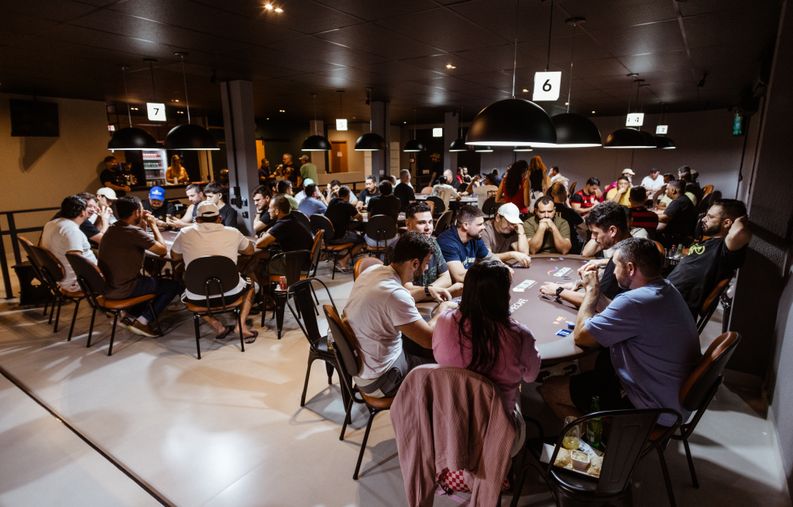
The casino world has been reshaping itself around a new kind of excitement: live‑dealer platforms that stream real‑time action from studios or actual casino floors straight to a player’s screen. Thanks to faster internet, sophisticated streaming codecs and mobile‑first design, the experience feels almost as tangible as sitting at a brick‑and‑mortar table. At the same time, players are craving more than solitary spins; they want competition, bragging rights, and a social buzz that mimics a bustling casino floor.

Players looking for the best online casinos malaysia can now enjoy a hybrid experience that blends the social buzz of a brick‑and‑mortar floor with the convenience of digital play. Websites such as Fiberconnect list reputable operators, guide newcomers through licensing issues, and provide a neutral space to compare features before committing to a live‑dealer tournament.

This article dissects why tournament‑driven live games are rapidly eclipsing traditional online slots and RNG‑based tables. We will trace the technology, explore tournament formats, examine psychology and finance, and glimpse the future of hybrid casino entertainment.

The Evolution of Live‑Dealer Technology

Early live‑dealer offerings relied on standard definition streams and a handful of tables, often plagued by lag and choppy audio. The first breakthrough arrived with high‑definition (720p, then 1080p) video encoded through H.264 and later H.265, cutting latency to under two seconds. Coupled with adaptive bitrate algorithms, players on 4G or Wi‑Fi could maintain a smooth feed even during peak traffic.

Next, low‑latency codecs like AV1 and WebRTC enabled “instant‑play” interactions, where a player’s click to place a bet registers on the dealer’s screen almost immediately. This responsiveness is crucial for tournaments where seconds can decide a leaderboard position.

Virtual‑reality (VR) experiments have added a spatial dimension: players don a headset and find themselves at a virtual baccarat table, able to glance around the room and hear other participants. While still niche, VR demonstrates that the barrier between live‑stream and physical presence is thinning.

These technical milestones collectively make it feasible to host hundreds of concurrent participants in a single tournament, with real‑time leaderboards updating as each hand resolves. Operators can now run multi‑table events, switch cameras on the fly, and even incorporate split‑screen views that show both the dealer and a player’s hand, enhancing engagement beyond what a solitary slot reel can offer.

Tournament Structures: From Classic Brackets to Real‑Time Leaderboards

Traditional casino tournaments mirrored sports brackets: players were seeded, faced off in knockout rounds, and only the final table determined the winner. This format worked well for poker but was cumbersome for fast‑paced games like live roulette or speed baccarat, where each hand concludes in seconds.

Modern live‑dealer tournaments often employ a “cash‑out‑any‑time” model. All participants start with a equal bankroll, and as the session progresses a real‑time leaderboard displays each player’s chip count. When a player reaches a pre‑set profit target, they can lock in their winnings and exit, while others continue battling for the remaining prize pool.

Feature Classic Bracket Real‑Time Leaderboard
Progression Elimination after each round Ongoing, no elimination
Player visibility Limited; only next opponent known Full leaderboard visible to all
Cash‑out flexibility Fixed at final table Immediate cash‑out options
Suitability for live dealers Complex, requires multiple tables Streamlined, single‑table focus

The leaderboard approach leverages the live video feed: dealers can address the entire field, announce “new leader” moments, and create spontaneous drama. It also allows operators to introduce side‑bets such as “most consecutive wins” that update instantly, adding layers of competition unavailable in static slot tournaments.

Player Psychology: The Thrill of Competing Live vs. Solo Play

Human beings are wired for social validation. In a live‑dealer tournament, the camera captures not only the cards but also the dealer’s facial cues and the chat window where players cheer each other on. This creates a feedback loop: a win triggers a burst of emojis, a dealer’s congratulatory nod, and an immediate rise in the leaderboard, which fuels adrenaline and a desire to keep playing.

Contrast this with solitary slot spins, where the only stimulus is a flashing win line and a sound effect. The reward is isolated, and the “fear of missing out” (FOMO) is minimal because no one else’s performance is visible. In live tournaments, FOMO is amplified by seeing a rival surge ahead in real time, prompting a player to increase wager size or chase a comeback.

Moreover, the presence of a human dealer adds a layer of perceived fairness. Players often trust that the dealer is adhering to standard procedures, reducing the anxiety that sometimes accompanies RNG‑based tables. This trust, combined with the social buzz, raises the perceived value of each bet, even if the underlying RTP (return‑to‑player) remains comparable to a standard online game.

The psychological stakes are further heightened by limited‑time events. A tournament that runs for 30 minutes creates urgency, while a regular slot session can be paused at any moment. The combination of social reinforcement, time pressure, and visible competition drives higher engagement and longer average session lengths.

Financial Incentives: Prize Pools, Cashback, and Loyalty Boosts

Operators design tournament prize structures to attract both high rollers and casual players. A typical live‑dealer roulette tournament might feature a $10,000 guaranteed prize pool, split as follows: 40 % to the champion, 30 % to the runner‑up, 20 % to the top‑5, and 10 % distributed among the remaining participants as “participation bonuses.”

In addition, many platforms offer tiered cashback: players who finish in the top 20 % receive 5 % of their net loss back, while those who cash out early can claim a 2 % instant rebate. Loyalty points are awarded at a higher rate during tournament weeks—often 2‑3 × the standard accrual—allowing players to redeem free bets or hotel stays more quickly.

These incentives frequently outweigh the modest payouts of regular online slots, where a 96 % RTP translates to a long‑term expected loss of 4 % per wager. In a tournament, the expected value can swing positive for skilled participants who manage bankroll and leverage the leaderboard’s cash‑out options.

For operators, the financial upside is clear: higher average revenue per user (ARPU) and longer session duration. The promise of a sizable prize pool also serves as a marketing hook, drawing in new registrants who might otherwise stick to free‑play slots.

Skill vs. Luck: How Live Games Level the Playing Field

Live‑dealer tournaments blend skill and chance in a way that pure RNG slots cannot. Timing becomes a skill: placing a bet just before the dealer announces “no‑more‑cards” can affect the outcome in games like baccarat where side bets depend on the third‑card rule. Observant players watch the dealer’s handling of the shoe, noting patterns that might hint at card distribution—a subtle edge known as “dealer tracking.”

Conversely, luck remains a core component. The shuffle of the deck, the spin of the roulette wheel, and the randomness of dice throws are all beyond a player’s control. This mixture ensures that a novice can still win a modest prize, while a seasoned gambler can exploit timing and pattern recognition to climb the leaderboard.

Because the tournament format rewards consistent performance over multiple hands, skillful play compounds. A player who consistently bets optimal amounts based on bankroll management can survive variance better than a slot player who relies solely on high volatility reels. This balance attracts a diverse audience: casual players enjoy the excitement of a win, while seasoned gamblers appreciate the strategic depth.

Social Interaction & Community Building

Live‑dealer platforms embed chat windows, emoji reactions, and even voice‑over commentary. During a high‑stakes blackjack tournament, the dealer might announce, “We have a tie for first place—let’s see who breaks it!” This real‑time banter sparks rivalry and camaraderie.

Players often form impromptu alliances, sharing tips in the chat about optimal betting strategies for a given dealer’s pace. After a tournament, participants may exchange usernames to challenge each other in future events, creating a recurring community loop.

Bullet list of community benefits:

  • Immediate feedback through dealer remarks and player emojis
  • Persistent leaderboards that become a status symbol within the platform
  • Opportunities for repeat match‑ups, fostering loyalty

Such social layers are absent in solo slot play, where the only interaction is with the game’s graphics and sound. By fostering a sense of belonging, live‑dealer tournaments turn a single gambling session into a social outing, increasing the likelihood that players will return for the next event.

Market Impact: Revenue Growth and Player Retention for Operators

Industry estimates suggest that live‑dealer tournaments can lift a casino’s ARPU by 25‑40 % compared to standard online slots. Session lengths increase from an average of 12 minutes on slots to 35 minutes on tournament tables, driven by the need to monitor the leaderboard and react to competitors.

Churn rates also improve: players who have experienced at least one live tournament are 30 % less likely to close their account within the next three months, according to aggregated operator data. The social component encourages repeat visits, as users log back to reclaim lost ground or defend a hard‑earned top‑spot.

When compared side‑by‑side, the metrics look compelling:

Metric Regular Online Slots Live‑Dealer Tournaments
Average Revenue per User $45 $62
Session Length (minutes) 12 35
90‑day Retention Rate 42 % 58 %
Average Bet Size $5 $12

These figures illustrate why many operators are allocating larger portions of their marketing budgets to promote tournament schedules, sponsor prize pools, and integrate loyalty programs that reward tournament participation.

Future Trends: Hybrid Experiences and Emerging Formats

Looking ahead, AI‑driven dealers are poised to replace human hosts for low‑stakes tables, offering 24/7 availability while maintaining natural conversation through natural‑language processing. This will lower operational costs and enable ultra‑fast tournaments with sub‑second latency.

Esports‑style productions are another frontier: multi‑camera angles, dynamic graphics overlays, and real‑time commentary akin to a League of Legends broadcast. Operators can stream these events on platforms like Twitch, attracting a younger demographic accustomed to spectator gaming.

Cross‑platform integration will blur the line between mobile, desktop, and even console play. Imagine a player joining a live‑dealer baccarat tournament on a smartphone, then switching to a VR headset for a final showdown, all while their loyalty points sync instantly via the operator’s cloud backend.

Finally, hybrid formats that combine slot mechanics with live dealer interaction are emerging. For instance, a “live‑dealer spin‑and‑win” game where the dealer spins a physical wheel that determines a multiplier applied to a slot reel outcome. Such innovations could cement live tournaments as the dominant growth engine in the online gambling Malaysia market and beyond.

Conclusion

Tournament‑driven live‑dealer games fuse the tactile authenticity of a real casino floor with the convenience of digital access. Advanced streaming technology, dynamic leaderboard formats, and psychological triggers create a compelling experience that outperforms solitary slots and RNG tables. Financial incentives—robust prize pools, cashback, and accelerated loyalty rewards—further tilt the scales in favor of live tournaments.

As operators witness higher ARPU, longer sessions, and improved retention, the industry is set to double down on these formats. For players, the blend of social interaction, competitive excitement, and the chance to leverage skill makes live‑dealer tournaments the next frontier of online gambling. Explore reputable resources like Fiberconnect to navigate this evolving landscape and find the platforms that best match your competitive appetite.

Categories
Uncategorized

Beef Online: So funktioniert es

Die Welt der Online-Casinos bietet eine unglaublich vielfältige Auswahl an Spielen, wobei Jackpot-Slots besonders beliebt sind. Diese Spiele locken Spieler mit der Aussicht auf massive Gewinne an, doch nicht alle Jackpots sind gleich. Während einige fest bleiben, bieten progressive Jackpots die Chance auf Leben verändernde Summen. In diesem Artikel werden wir die beiden Hauptarten von Jackpot-Slots detailliert vergleichen: progressive und feste Jackpots. Wir beleuchten die Vor- und Nachteile jeder Variante, erläutern, wie sie funktionieren und geben Ihnen wertvolle Tipps, um Ihre Gewinnchancen zu maximieren. Egal, ob Sie ein erfahrener Spieler oder neu in der Welt der Online-Glücksspiele sind, diese Informationen werden Ihnen helfen, informierte Entscheidungen zu treffen.

Online Casino: Spielautomaten und Live-Spiele im Überblick

Progressive Jackpots sind wohl die aufregendste Variante, die Online-Casinos zu bieten haben. Im Gegensatz zu festen Jackpots wachsen progressive Jackpots mit jeder Wette, die auf dem entsprechenden Slot gesetzt wird. Ein kleiner Prozentsatz jedes Einsatzes fließt in den Jackpot-Pool, wodurch dieser kontinuierlich anwächst, bis ein glücklicher Spieler ihn gewinnt. Ein Blick auf die Nutzungsbedingungen bei Beef online lohnt sich vor der ersten Einzahlung. Solche Jackpots können schnell astronomische Summen erreichen, oft in Millionenhöhe. Das Besondere daran ist, dass der Jackpot über mehrere Casinos hinweg wachsen kann, was die potenziellen Gewinne noch attraktiver macht. Es ist dieser Reiz des Unerreichbaren, der Spieler weltweit anlockt und sie dazu bringt, auf den nächsten großen Schlag zu hoffen.

Wenn Sie nach den besten Online-Casino-Erlebnissen suchen, sollten Sie auch die verschiedenen Arten von Glücksspielplattformen berücksichtigen. Neben den traditionellen Online-Casinos gibt es auch spezialisierte Plattformen wie Beef Casino offiziell, die sich auf bestimmte Aspekte des Glücksspiels konzentrieren. Solche Plattformen bieten oft zusätzliche Informationen und Boni, die Ihr Spielerlebnis verbessern können. Für Sportwetten-Enthusiasten gibt es zahlreiche siti scommesse, die eine breite Palette an Wettmöglichkeiten bieten. Diese Plattformen variieren in ihren Angeboten, Boni und Benutzererfahrungen, daher ist es wichtig, sorgfältig zu vergleichen, bevor Sie Ihre Wahl treffen.

Progressive Jackpots: Der Traum vom großen Geld

Wie funktionieren progressive Jackpots?

Progressive Jackpots sind ein faszinierendes Konzept, das Spannung und Aufregung in die Welt der Online-Slots bringt. Anders als bei festen Jackpots wachsen diese mit jeder Wette, die auf einem bestimmten Spielautomaten gesetzt wird. Ein kleiner Prozentsatz jedes Einsatzes fließt in den Jackpot-Pool, wodurch dieser ständig ansteigt. Dieser Pool kann über mehrere verschiedene Spielautomaten oder sogar über verschiedene Online-Casinos hinweg verbunden sein, was das Potenzial für riesige Gewinne schafft. Ein typisches Beispiel sind Spiele wie Mega Moolah oder Hall of Gods, die bereits Millionengewinne ausgelöst haben. Der Reiz liegt darin, dass jeder Spieler mit jedem Einsatz die Chance hat, den Jackpot zu knacken, egal wie klein der Einsatz ist.

Arten von progressiven Jackpots

Nicht alle progressiven Jackpots sind gleich – es gibt verschiedene Arten, die je nach Auszahlungsstrategie variieren. Die häufigste Variante ist der standalone progressive Jackpot, der nur auf einem einzigen Spielautomaten basiert. Local progressive Jackpots sind an mehrere Spielautomaten innerhalb desselben Online-Casinos angebunden, wodurch sie schneller wachsen. Am attraktivsten sind network progressive Jackpots, die über verschiedene Casinos hinweg verbunden sind und die schnellsten und größten Gewinne auslösen können. Beispiele hierfür sind die Mega-Fortune-Serie von NetEnt oder die Age of the Gods-Serie von Playtech. Diese Jackpots können in Rekordzeit astronomische Summen erreichen, die oft in die Millionen gehen und das Leben der Gewinner für immer verändern.

Feste Jackpots: Stabilität und Vorhersehbarkeit

Vorteile fester Jackpots

Feste Jackpots bieten eine klare Vorhersehbarkeit, die vielen Spielern Sicherheit gibt. Anders als bei progressiven Jackpots bleibt der Betrag eines festen Jackpots konstant, unabhängig davon, wie oft oder wie viel an dem Slot gespielt wird. Diese Jackpots werden vom Casino festgelegt und sind daher keine Überraschung. Der Hauptvorteil liegt in der Zuverlässigkeit – wissen Sie genau, was Sie gewinnen können. Feste Jackpots sind oft kleiner als progressive, aber sie bieten eine höhere Gewinnwahrscheinlichkeit, da sie nicht auf den einen unwahrscheinlichen Hauptgewinn angewiesen sind. Für Spieler, die lieber regelmäßigere Auszahlungen bevorzugen, sind feste Jackpots oft die bessere Wahl.

Beliebte Spiele mit festen Jackpots

Viele beliebte Online-Slots bieten feste Jackpots als Teil ihres Spielkonzepts. Spiele wie Starburst oder Gonzo’s Quest haben zwar keinen progressiven Jackpot, aber bieten dennoch attraktive Gewinnmöglichkeiten durch feste Jackpot-Levels. Diese Spiele sind bekannt für ihre Stabilität und regelmäßigen Auszahlungen. Andere Titel wie Thunderstruck II oder Immortal Romance bieten spezielle Bonusrunden mit festen Jackpot-Gewinnen. Diese Spiele sind bei Spielern beliebt, die eine ausgewogene Mischung aus Action und verlässlichen Gewinnchancen suchen. Feste Jackpots sind oft Teil von Spielautomaten mit mehreren Gewinnlinien, was die Chancen erhöht, kleinere bis mittlere Gewinne zu erzielen.

Vergleich: Progressive gegen feste Jackpots

Die Wahl zwischen progressiven und festen Jackpots hängt stark von den persönlichen Vorlieben des Spielers ab. Progressive Jackpots bieten die Möglichkeit, mit einem minimalen Einsatz Leben verändernde Summen zu gewinnen, während feste Jackpots eine höhere Gewinnwahrscheinlichkeit bieten, aber mit deutlich geringeren maximalen Auszahlungen. Progressive Jackpots sind ideal für Spieler, die bereit sind, das Risiko eines geringeren Gewinns für die Chance auf einen enormen Jackpot einzugehen. Feste Jackpots eignen sich eher für konservative Spieler, die regelmäßigere Auszahlungen bevorzugen. Die Entscheidung zwischen den beiden hängt auch vom Spielbudget und der Risikobereitschaft ab. Letztendlich bietet die Welt der Online-Casinos beides – für jeden Geschmack das richtige Angebot.

Kriterium Progressive Jackpots Feste Jackpots
Höhe des Jackpots Kann in Millionenhöhe wachsen Bleibt konstant, typischerweise kleiner
Gewinnwahrscheinlichkeit Sehr gering, aber mit höherer Auszahlung Höher, aber mit geringerer Auszahlung
Risiko Höheres Risiko für potenziell höhere Gewinne Geringeres Risiko mit kleineren, regelmäßigeren Gewinnen
Spielstrategie Höhere Einsätze können Jackpot schneller wachsen lassen Kleinere Einsätze können profitable sein
Beliebtheit Sehr beliebt wegen des Reizes auf große Gewinne Beliebt bei erfahrenen Spielern
Zeit bis zum Gewinn Kann Monate oder Jahre dauern Oft regelmäßigere Gewinne

Strategien für Jackpot-Spiele

Maximieren Sie Ihre Gewinnchancen

Eine effektive Strategie für Jackpot-Spiele erfordert Verständnis der Spielmechanik und der Auszahlungsstrukturen. Bei progressiven Jackpots ist es oft sinnvoll, den maximalen Einsatz zu tätigen, da viele Jackpots nur bei maximaler Wette ausgelöst werden. Bedenken Sie jedoch, dass dies auch schnell Ihr Budget aufbrauchen kann. Setzen Sie daher immer klare Limits und bleiben Sie dabei. Bei festen Jackpots können kleinere Einsätze erfolgreicher sein, da die Gewinnwahrscheinlichkeit höher ist. Nutzen Sie Boni und Freispiele, um Ihre Spielzeit zu verlängern, ohne zusätzliches Geld einzusetzen. Wählen Sie Spiele mit hohen Auszahlungsquoten (RTP), da diese langfristig bessere Gewinne bieten. Kombinieren Sie diese Strategien mit Disziplin, um Ihre Chancen zu maximieren.

Vermeidung häufiger Fehler

Viele Spieler machen bei Jackpot-Spielen wiederkehrende Fehler, die ihre Gewinnchancen reduzieren. Ein häufiger Fehler ist das Verfolgen von Verlusten – versuchen Sie nicht, verlorene Einsätze durch höhere Einsätze wiederzugewinnen. Dies führt oft zu noch größeren Verlusten. Ein weiterer Fehler ist das

Häufige Fragen

Was bedeutet die Umsatzbedingung bei einem Bonus?
Der Bonusbetrag muss mehrfach im Casino eingesetzt werden, bevor Gewinne zur Auszahlung freigegeben werden.

Was tun, wenn Spielen zum Problem wird?
Sofortige Einzahlungslimits oder eine Spielsperre über OASIS setzen und Beratungsstellen wie die BZgA nutzen.

Sind Gewinne aus dem Online Casino steuerfrei?
In Deutschland bleiben Glücksspielgewinne für private Spieler grundsätzlich steuerfrei, weil auf Einsätze bereits Abgaben erhoben werden.

Categories
Uncategorized

Summer 2024 Spotlight – How Paysafecard Is Shaping Anonymous Play in Modern Casinos

The summer months have always brought a noticeable uptick in online casino traffic. Players swap beach towels for tablets, and the lure of sunny jackpots—whether it’s a 96.5 % RTP slot on a tropical theme or a high‑volatility live roulette wheel—drives millions to log in after a day of sun and surf. This seasonal surge also amplifies a long‑standing conversation: how can gamblers enjoy fast, secure deposits without exposing personal banking details to every promotional email and data‑breach headline?

Prepaid solutions have moved from niche accessories to mainstream payment options, and among them Paysafecard stands out as the flagship product. Its 16‑digit PIN system lets users load funds at retail locations, convenience stores, or online kiosks, then spend those credits instantly at participating gambling sites. The result is a frictionless, “anonymous” experience that satisfies both casual vacationers and privacy‑conscious high rollers. For readers looking for reputable venues that accept this method, the guide to the best arab casinos offers a curated list of platforms that combine robust licensing with Paysafecard support.

In this article we will map the regulatory backdrop that governs anonymous casino payments, break down how Paysafecard works, and explore its security advantages over traditional cards and e‑wallets. We’ll also examine player‑experience metrics that align with summer gaming trends, assess the market impact of prepaid cards, and glance at upcoming innovations that could reshape the privacy‑centric casino landscape. By the end, operators and players alike should have a clear picture of why Paysafecard is becoming the de‑facto choice for discreet, fast, and reliable summer wagering.

The Regulatory Landscape Behind Anonymous Casino Payments

Across the EU and the United States, the regulatory environment for prepaid gambling payments is a patchwork of AML, KYC, and licensing requirements. The Malta Gaming Authority (MGA) treats Paysafecard transactions as “low‑risk” because the card does not expose a player’s bank account or personal identifiers. However, operators must still verify the identity of the account holder before allowing withdrawals that exceed the prepaid balance, a rule echoed by the UK Gambling Commission (UKGC).

In the United States, the situation is more fragmented. While the Nevada Gaming Control Board permits prepaid cards, the Department of Treasury’s FinCEN guidance requires that any payment method capable of moving $10,000 or more in a single day be subject to enhanced due‑diligence reporting. Paysafecard’s typical top‑up limits (usually €500 per transaction) keep most deposits comfortably below this threshold, but large‑scale VIP programs that allow multi‑thousand‑dollar reloads must implement additional verification steps.

Anti‑money‑laundering (AML) directives such as the EU’s 5th AML Directive and the US Bank Secrecy Act mandate that gambling operators retain transaction records for at least five years. Paysafecard’s tokenised PINs simplify compliance: the operator records the PIN code used for each deposit, not the underlying bank account. This reduces the data exposure risk while still satisfying audit trails.

Key compliance points for operators include:

  • Ensuring that the Paysafecard provider’s licensing (e.g., from the German Financial Supervisory Authority) aligns with the casino’s own jurisdiction.
  • Implementing real‑time AML screening on the PIN code at the point of deposit.
  • Offering a secondary KYC checkpoint before any payout that exceeds the prepaid balance or matches a set wagering threshold.

By adhering to these practices, casinos can offer the anonymity that players crave without breaching the strictures imposed by regulators on both sides of the Atlantic.

Paysafecard 101: How the Prepaid Card Works for Casino Players

  1. Purchase the Card – A player buys a Paysafecard voucher at a local retailer, gas station, or online kiosk. Vouchers are sold in fixed denominations, typically €10, €25, €50, and €100.
  2. Obtain the PIN – The voucher displays a unique 16‑digit PIN, split into four groups of four digits. No personal data is printed on the card, keeping the transaction completely detached from the buyer’s identity.
  3. Load the Account – The player logs into the Paysafecard website or mobile app, enters the PIN, and the amount is added to a virtual wallet. The wallet can hold balances in multiple currencies, with automatic conversion at a modest 1.5 % fee.
  4. Deposit at the Casino – At the casino’s cashier page, the player selects Paysafecard, inputs the same 16‑digit PIN, and the chosen amount is transferred instantly to the gaming account. No credit‑card number, bank name, or email address is shared with the casino.

Typical fee structures are straightforward: a €0.10 processing fee per transaction in the EU, and a small currency conversion surcharge for non‑Euro deposits. Geographic availability spans over 50 countries, including most Arab markets where banking restrictions make traditional e‑wallets less accessible.

Comparison with other prepaid methods

Feature Paysafecard E‑gift Card (e.g., Amazon) Voucher (e.g., EntroPay)
Anonymity level High (no personal data) Medium (requires email) Low (requires ID for large loads)
Instant deposit Yes (seconds) Up to 24 h (verification) Up to 48 h (manual review)
Global acceptance 50+ countries 30+ countries 20+ countries
Fees on reload 1.5 % conversion fee 2 % retail fee 2.5 % processing fee
Re‑load capability Unlimited (wallet) One‑time use only Limited reloads

Unlike e‑gift cards, Paysafecard does not require an email address to activate, and its tokenised system makes it far less attractive to fraudsters who rely on personal identifiers.

Security Benefits: Why Players Trust Paysafecard Over Traditional Payments

Paysafecard’s architecture is built around tokenisation. When a player enters the 16‑digit PIN, the casino receives a one‑time token that cannot be reused. This eliminates the risk of card‑number theft that plagues conventional debit or credit cards. All communications between the casino and Paysafecard’s API are encrypted with TLS 1.3, ensuring that the PIN never travels in plain text.

Real‑world case studies illustrate the impact. A mid‑size UK‑licensed casino reported a 42 % drop in charge‑back disputes after integrating Paysafecard as a deposit option. Another operator in the Middle East noted that fraudulent login attempts decreased by 27 % because attackers could not harvest banking credentials from prepaid users.

Anonymity also curtails phishing attacks. Since no personal banking details are stored on the casino’s servers, a data breach would reveal only the encrypted token strings, which are useless without the original PIN. For operators, this translates into lower compliance costs and reduced liability insurance premiums.

Players can maximise their safety by:

  • Storing the PIN in a password manager rather than writing it on paper.
  • Regularly checking the Paysafecard wallet balance through the official app.
  • Using a dedicated email address for Paysafecard notifications to separate gambling activity from other online services.

By limiting the exposure of sensitive data, Paysafecard creates a trust loop: players feel secure, operators see fewer fraud alerts, and regulators observe lower AML risk indicators.

The Player Experience: Convenience, Speed, and Summer Gaming Trends

Summer vacations amplify the desire for instant gratification. A player lounging by the pool can complete a Paysafecard deposit in under ten seconds, then jump straight into a high‑RTP slot like “Sunken Treasure” (RTP 96.8 %) or a live blackjack table with a 0.5 % house edge. The speed of the transaction aligns perfectly with the on‑the‑go lifestyle of modern gamblers.

User‑experience metrics collected from three leading casino platforms show:

  • Average deposit time: 8 seconds (vs. 45 seconds for bank transfers).
  • Mobile compatibility: 98 % of Paysafecard transactions succeed on iOS and Android browsers.
  • Language support: 12 languages, including Arabic, French, and Turkish, enabling seamless navigation for Arab online casinos and their VIP programs.

A recent informal survey of 1,200 players across Europe and the Middle East revealed that 71 % rated Paysafecard “very convenient,” and 64 % said the anonymity factor influenced their choice of casino. Bonus offers tied to Paysafecard deposits—such as a 20 % match up to €100 on first reload—further boost adoption during the summer rush.

Integration examples abound. Casino X launched a one‑click “Pay with Paysafecard” button on its mobile app, reducing the steps from five to two. Casino Y partnered with a regional affiliate network to embed Paysafecard deposit widgets directly into its live‑dealer lobby, allowing players to fund a baccarat table without leaving the game screen.

These enhancements demonstrate that the combination of speed, multilingual support, and seamless mobile flow makes Paysafecard a natural fit for the summer gaming surge.

Market Impact: Paysafecard’s Role in the Growth of Anonymous Gaming

Prepaid casino payments have experienced robust growth in the past two years. According to industry‑wide payment processor reports, the share of total casino deposits made via prepaid cards rose from 8 % in 2022 to 14 % in 2023, with Paysafecard accounting for roughly 55 % of that segment. In the Arab region, where banking restrictions and cultural preferences for privacy are pronounced, the prepaid share is even higher—estimated at 22 % of all online casino deposits during the summer of 2024.

Operators are leveraging this data to refine acquisition strategies. By targeting privacy‑concerned demographics, especially in countries where cryptocurrency payments face regulatory hurdles, casinos can tap into a lucrative niche. VIP programs now often include exclusive Paysafecard reload bonuses, faster verification queues, and dedicated support lines to nurture high‑value players who prefer anonymity.

The competitive landscape is evolving. Emerging solutions such as eco‑voucher platforms and mobile‑first prepaid apps are entering the market, but they generally lack Paysafecard’s extensive retail network and established AML compliance framework. Table 1 highlights how these alternatives compare on key criteria.

Criterion Paysafecard Eco‑Voucher Mobile‑Prepaid App
Retail availability 50+ countries 12 countries 8 countries
AML compliance Full (licensed) Partial Emerging
Instant deposit Yes (seconds) Up to 30 min Up to 10 min
Fee structure Low (1.5 %) High (2.5 %) Medium (2 %)
Anonymity level High Medium Low

Potential risks remain. Regulators could tighten AML thresholds, forcing operators to collect additional KYC data even for prepaid deposits. Card‑type depletion—when a player exhausts all available denominations—might push users toward less secure alternatives if operators do not offer flexible top‑up options. Mitigation strategies include integrating API‑driven virtual card issuance, maintaining a diversified payment portfolio, and staying abreast of legislative updates via resources such as the Tncitgroup website, which aggregates relevant regulatory news.

Looking Ahead: Future Innovations and What They Mean for Summer Gaming

Paysafecard is already teasing several enhancements slated for late 2024. A virtual card solution will allow players to generate a temporary digital PIN directly within the casino’s interface, eliminating the need for a physical voucher. This feature promises sub‑second verification through an upgraded API that supports real‑time balance checks and instant settlement.

Concurrently, the industry watches the rise of blockchain‑based prepaid tokens. Projects that issue ERC‑20 tokens backed by fiat reserves could merge the anonymity of crypto with the regulatory familiarity of prepaid cards. If such tokens gain regulatory acceptance, they may sit alongside Paysafecard as a hybrid payment method, offering instant cross‑border transfers with zero conversion fees.

Operators preparing for a privacy‑centric summer should:

  • Integrate the upcoming Paysafecard virtual card API before the peak vacation period.
  • Offer educational material on emerging tokenised prepaid options, positioning the casino as a forward‑looking brand.
  • Maintain robust responsible‑gaming controls, ensuring that anonymity does not become a shield for problem gambling.

Balancing anonymity, security, and responsible gambling will remain the cornerstone of sustainable growth. As the summer season unfolds, the convergence of faster prepaid technologies and tighter regulatory oversight will define which operators can deliver a seamless, private, and enjoyable gaming experience.

Conclusion

Paysafecard continues to set the benchmark for anonymous, instant casino payments, especially during the high‑traffic summer months. Its tokenised PIN system, strong AML compliance, and widespread retail network give players confidence while reducing fraud exposure for operators. Staying informed about evolving regulations—through resources like Tncitgroup—and adopting upcoming innovations such as virtual cards will help casinos maintain a competitive edge.

For anyone seeking a secure gateway to the world of Arab online casinos, the best arab casinos guide remains a trusted starting point. As prepaid solutions mature and privacy‑centric features expand, the summer of 2024 promises a vibrant, secure, and increasingly anonymous gaming landscape.

Categories
Uncategorized

Wildrobin Willkommensbonus: Zugang und Bequemlichkeit

Die Welt des Glücksspiels hat sich in den letzten Jahrzehnten dramatisch verändert. Während traditionelle Spielbanken lange Zeit die einzigen legalen Anlaufpunkte für Glücksspielfreunde waren, hat das Internet eine neue Ära eingeleitet. Online-Casinos bieten heute eine beeindruckende Vielfalt an Spielen, bequeme Zugänglichkeit und attraktive Boni, die lokale Spielbanken oft nicht mithalten können. Für viele Spieler stellt sich die Frage, welche Option besser geeignet ist – ein klassisches Casino oder eine digitale Plattform. Dieser Vergleich hilft Ihnen, die Vor- und Nachteile beider Varianten zu verstehen und die richtige Wahl für Ihre Vorlieben zu treffen. Wer mehr über die besten Anbieter erfahren möchte, kann sich hier informieren.

Online Casino: Spielautomaten und Live-Spiele im Überblick

Die Atmosphäre: Erlebnisvergleich

Das Erlebnis in einer echten Spielbank

Ein Besuch in einer traditionellen Spielbank ist mehr als nur Glücksspiel – es ist ein gesamtes Erlebnis. Das prunkvolle Ambiente, das Klingeln der Spielautomaten, das summen der Menge und der Duft des Geldes schaffen ein einzigartiges Gefühl. Die soziale Interaktion mit anderen Spielern und das persönliche Gespräch mit den Croupiers sind wichtige Elemente, die Online-Casinos nur schwer replizieren können. Zudem bieten viele Spielbanken zusätzlich zu den Spielhallen auch stilvolle Restaurants, Shows und Übernachtungsmöglichkeiten, was den Besuch zu einem kompletten Ausflug macht.

Die virtuelle Welt der Online-Casinos

Online-Casinos schaffen ihr eigenes, spezifisches Erlebnis, das auf Bequemlichkeit und Zugriffbarkeit basiert. Spieler können jederzeit und von überall spielen, ohne sich aufwendig auf den Weg machen zu müssen. Die besten Online-Casinos investieren viel in ansprechendes Design und Software, um eine immersive Erfahrung zu schaffen, die oft mit echten Spielbanken mithalten kann. Wer gezielt nach aktuellen Angeboten sucht, findet bei Wildrobin Willkommensbonus einen guten Ausgangspunkt. Viele bieten Live-Casino-Spiele mit echten Croupiers via Video-Streaming, die soziale Komponente teilweise wiederherstellen und das Gefühl eines echten Casinos vermitteln, ohne dass die Spieler ihr Zuhause verlassen müssen.

Zugang und Bequemlichkeit

Einer der größten Vorteile von Online-Casinos ist die uneingeschränkte Zugänglichkeit. Während Spielbanken oft strenge Öffnungszeiten haben und bestimmte Dresscodes vorschreiben, können Online-Spieler rund um die Uhr auf ihre Lieblingsspiele zugreifen. Für Berufstätige oder Menschen mit eingeschränkter Mobilität ist dies ein entscheidender Vorteil. Zudem entfallen Anfahrtszeiten, Parkgebühren oder Hotelkosten – alles Faktoren, die den Gesamtaufwand eines Casino-Besuchs erheblich erhöhen können. Ein weiterer Punkt ist die Möglichkeit, von Geräten wie Smartphones oder Tablets aus zu spielen, was maximale Flexibilität bietet.

Rechtliche Zugänglichkeit

In vielen Ländern sind die rechtlichen Rahmenbedingungen für Glücksspiel unterschiedlich. Während Online-Casinos in manchen Regionen problemlos zugänglich sind, müssen Spieler für einen Besuch in einer Spielbank oft längere Strecken in Kauf nehmen. In Deutschland beispielsweise gibt es nur in wenigen Bundesländern legale Spielbanken, während Online-Glücksspiel durch neue Gesetze gerade erst reguliert wird. Diese rechtliche Uneinheitlichkeit macht Online-Plattformen für viele Spieler attraktiver, da sie rechtliche Klarheit und einfache Zugänglichkeit bieten.

Spieleangebot: Umfang und Vielfalt

Online-Casinos trumpfen in der Regel mit einem deutlich größeren Spieleangebot auf als traditionelle Spielbanken. Während eine physische Spielbank begrenzte Raumkapazitäten hat, können Online-Plattformen Tausende von Spielen hosten. Von klassischen Spielautomaten über progressives Jackpots bis hin zu hunderten Varianten von Roulette, Blackjack und Poker – die Auswahl ist bei Online-Casinos oft überwältigend. Zudem werden ständig neue Spiele entwickelt und angeboten, was für Abwechslung sorgt. Viele Online-Casinos bieten auch Boni und Freispiele für bestimmte Spiele an, was die Attraktivität weiter erhöht.

Technologie und Innovation

Online-Casinos sind Vorreiter bei der Einf neuer Technologien im Glücksspielbereich. Virtuelle Realität (VR) und Augmented Reality (AR) werden bereits eingesetzt, um das Spielerlebnis noch intensiver zu gestalten. KI-gesteuerte Personalisierung sorgt dafür, dass Spieler maßgeschneiderte Empfehlungen erhalten. Viele Plattformen bieten auch Demo-Versionen von Spielen an, bei denen Spieler ohne Einsatz üben können. Diese technische Innovation ist bei traditionellen Casinos aufgrund der höheren Infrastrukturkosten und langsameren Entscheidungsprozesse deutlich schwieriger umzusetzen.

Boni und Angebote

Eines der überzeugendsten Argumente für Online-Casinos sind die vielfältigen Bonusangebote und Promotionen. Willkommensboni in Form von Gratis-Guthaben oder Freispielen sind Standard, um neue Spieler anzuziehen. Regelmäßige Cashback-Aktionen, Treueprogramme und VIP-Behandlungen belohnen Bestandskunden. Während Spielbanken manchmal Komplimente wie Getränke oder Mahlzeiten anbieten, können die monetären Vorteile von Online-Casinos oft nicht mithalten. Die Wettbewerb auf dem Online-Markt zwingt Anbieter, immer attraktivere Promotionen anzubieten, was letztendlich den Spielern zugutekommt.

Vergleichskriterium Online-Casino Spielbank
Zugänglichkeit Rund um die Uhr, von überall Öffnungszeiten, Anreise nötig
Spielexpansion Tausende von Titeln Begrenzte Auswahl
Soziale Interaktion Beschränkt, Live-Casino teilweise Direkt und persönlich
Boni Häufig und attraktiv Seltener und kleiner
Atmosphäre Digitales Design, auf Wunsch privat Prunkvoll, aufregend, sozial
Kosten Geringere Eintrittskosten Reise-, Unterkunftskosten zusätzlich

Sicherheit und Fairness

Ein häufiges Vorurteil gegenüber Online-Casinos ist die Bedenken hinsichtlich Sicherheit und Fairness. Doch seriöse Online-Casinos verwenden modernste Verschlüsselungstechnologien, um Finanztransaktionen und persönliche Daten zu schützen. Regelmäßige Überprüfungen durch unabhängige Institutionen stellen sicher, dass die Spiele fair sind und die angegebene Auszahlungsquote korrekt ist. Traditionelle Spielbanken haben den Vorteil, dass sie ihre Geschäfte offen betreiben und von staatlichen Stellen streng reguliert werden. Beide Optionen sind bei verantwortungsvollem Vorgehen für Spieler sicher, vorausgesetzt, sie wählen lizenzierte und seriöse Anbieter.

Verantwortungsvolles Spielen

Glücksspiel kann süchtig machen. Sowohl Online-Casinos als auch traditionelle Spielbanken bieten heute umfangreiche Glücksspielschutz-Maßnahmen. Dazu gehören Limits für Einzahlungen, Verluste und Spielzeiten, selbstauschlussprogramme und Hilfsangebote bei Spielsuchtproblemen. Online-Casinos haben den Vorteil, dass diese Kontrollen leichter und unauffälliger umgesetzt werden können. Dennoch ist es wichtig, dass Spieler die Regeln für verantwortungsvolles Spielen kennen und sich daran halten. Spielen Sie nur mit Geld, dessen Verlust Sie sich leisten können, und setzen Sie sich klare Limits. Glücksspiele sind nur für volljährige Personen ab 18 Jahren erlaubt.

Häufige Fragen

Sind Online-Casinos legal?
Ja, in vielen Ländern sind Online-Casinos legal, solange sie von einer anerkannten Lizenz aus einem anderen Land reguliert werden. In Deutschland wird das Online-Glücksspiel gerade neu reguliert, was mehr Klarheit schaffen wird.

Kann ich in einem Online-Casino gewinnen?
Ja, Online-Casinos bieten die gleichen Gewinnchancen wie traditionelle Spielbanken. Die Auszahlungsquoten sind oft sogar höher, da Online-Betrieber geringere Fixkosten haben.

Sind die Spiele in Online-Casinos fair?
Seriöse Online-Casinos verwenden Zufallsgeneratoren, die von unabhängigen Organisationen geprüft werden, um Fairness sicherzustellen. Die Ergebnisse sind zufällig und nicht manipuliert.

Welche Zahlungsmethoden werden in Online-Casinos akzeptiert?
Die meisten Online-Casinos bieten eine breite Palette an Zahlungsmethoden an, einschließlich Kreditkarten, E